Luxury Gets Cheaper, EMIs Stay High: What to Buy Now
The India–UK FTA is pulling luxury import prices down while the RBI's rate hold keeps EMIs stubbornly high — and the two forces demand very different buying strategies depending on your budget.
The India–UK Free Trade Agreement reached a pivotal moment this July, with the government finalising tariff reduction schedules that will progressively lower import duties on cars manufactured in the United Kingdom. Rolls-Royce saloons and Range Rover SUVs — long priced well out of reach by CBU import duties that can exceed 100% — are set to become cheaper by several crore rupees as the duty drawdown phases in over the coming years. Against this backdrop, the RBI's Monetary Policy Committee, wrapping up its June 2026 meeting, held the repo rate steady at 5.25%, trimmed its FY27 GDP growth forecast to 6.6%, and nudged the inflation projection up to 5.1%. Geopolitical turbulence in global supply chains — touching semiconductor availability and shipping costs alike — adds a further variable. Together, these three forces are shaping India's car market in ways that look very different depending on where your budget sits.
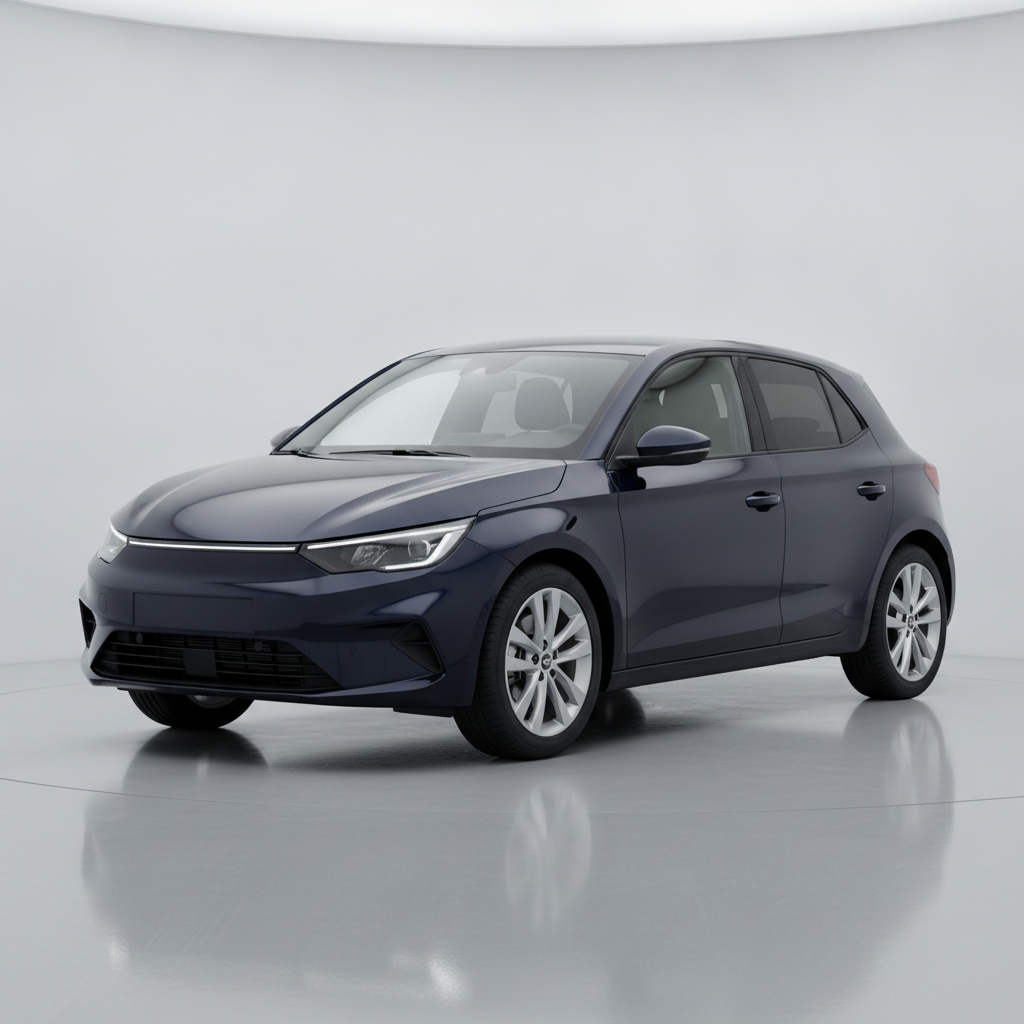
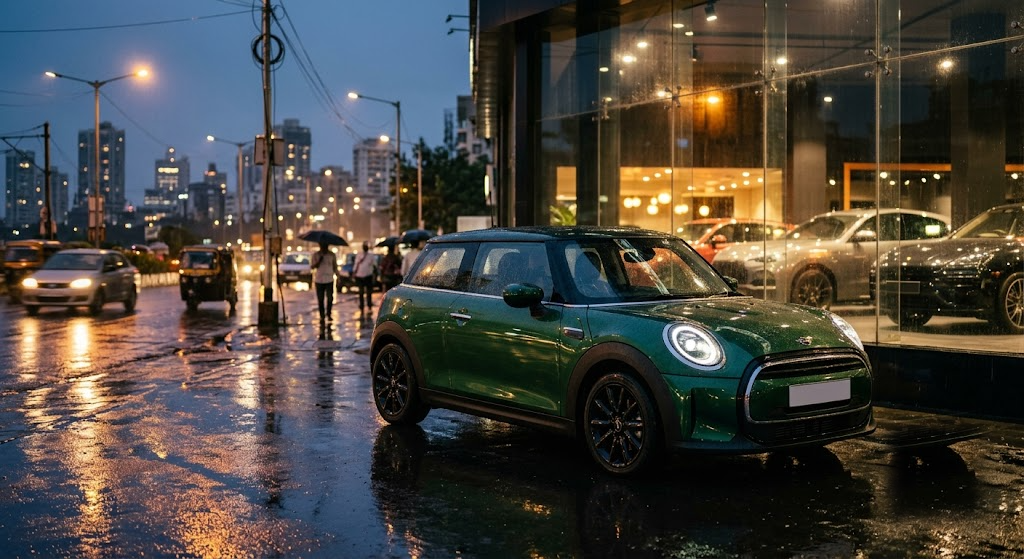
For buyers with a budget above Rs 40 lakh and an eye on British-origin vehicles, the FTA's phased Tariff Rate Quota is the most consequential automotive trade development in years. The MINI Cooper — assembled in Oxford and currently retailing from approximately Rs 44.90 lakh in India — is among the most accessible direct beneficiaries: as CBU duties reduce in stages, on-road prices on UK-manufactured stock should ease meaningfully over the next 12 to 18 months. Beyond the MINI, Land Rover models and ultra-luxury marques like Rolls-Royce and Bentley will see the largest absolute price drops, since they carry the heaviest duty burden and arrive as full CBUs. European brands such as Mercedes-Benz, which assembles many models locally but imports top-spec CBU variants — the C-Class from Rs 60 lakh, the E-Class from Rs 78.50 lakh — are not direct FTA beneficiaries, though competitive pressure from cheaper British alternatives may eventually influence their pricing calculus. The honest caveat: FTA savings flow through gradually, and dealers are under no obligation to pass them on from day one.
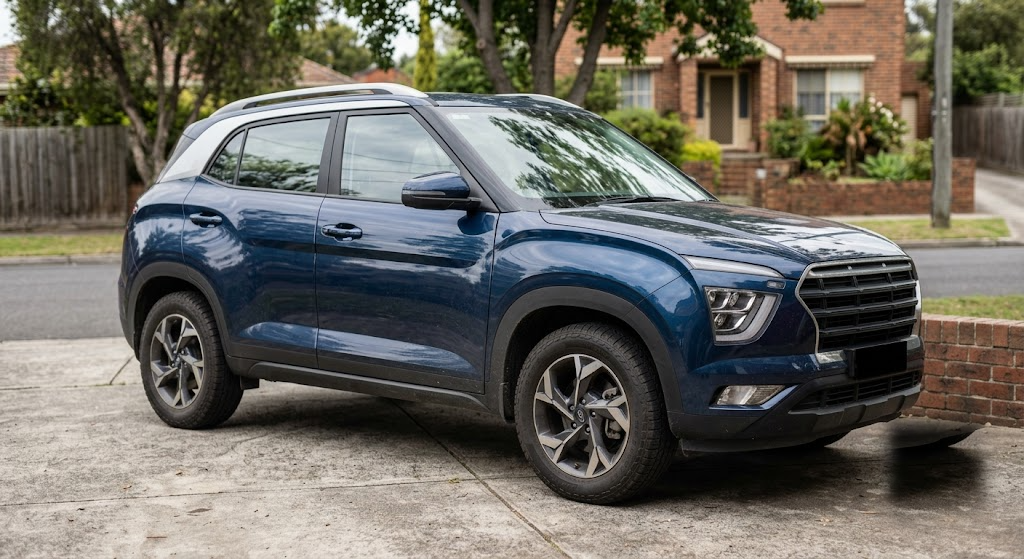
Where the FTA opens a door for the luxury tier, the RBI's rate posture sends a clear signal to mid-market buyers: do not wait for rate relief that is unlikely to arrive soon. A repo rate at 5.25% keeps bank lending rates for car loans in approximately the 9–10.5% range, meaning a Rs 15 lakh loan over five years carries an EMI roughly in the Rs 31,000–33,000 band — and with inflation running at 5.1%, rate cuts before the first quarter of FY28 look like a low-probability call. The practical implication is that locking in today's EMI is actually the conservative, sensible choice for most buyers. For those eyeing mid-range options — the Honda City Petrol-Hybrid from Rs 11.90 lakh, the Hyundai Verna from Rs 11 lakh, or the Hyundai Creta from Rs 11 lakh — waiting six months in hope of a meaningful rate cut is a bet the current data does not support. All three are domestically assembled and therefore shielded from import-duty volatility stemming from any future trade negotiations.
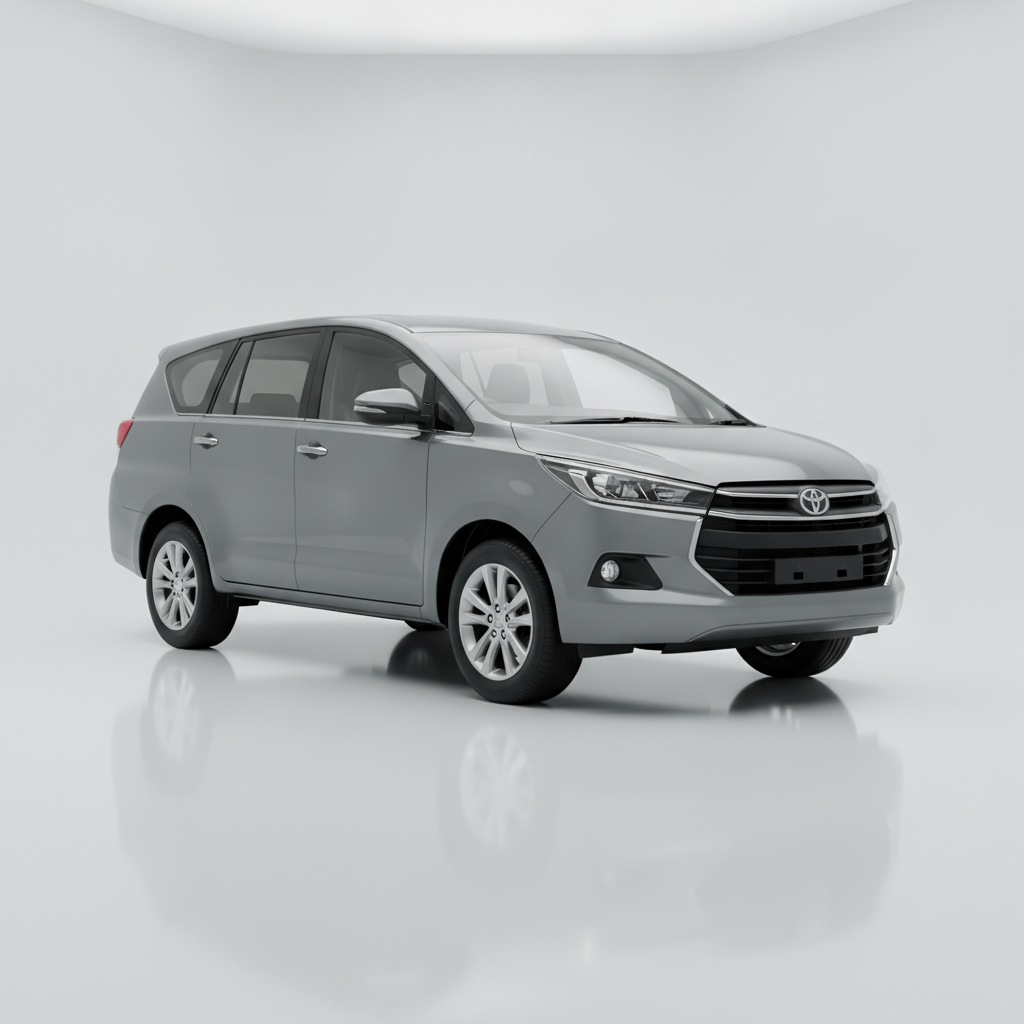
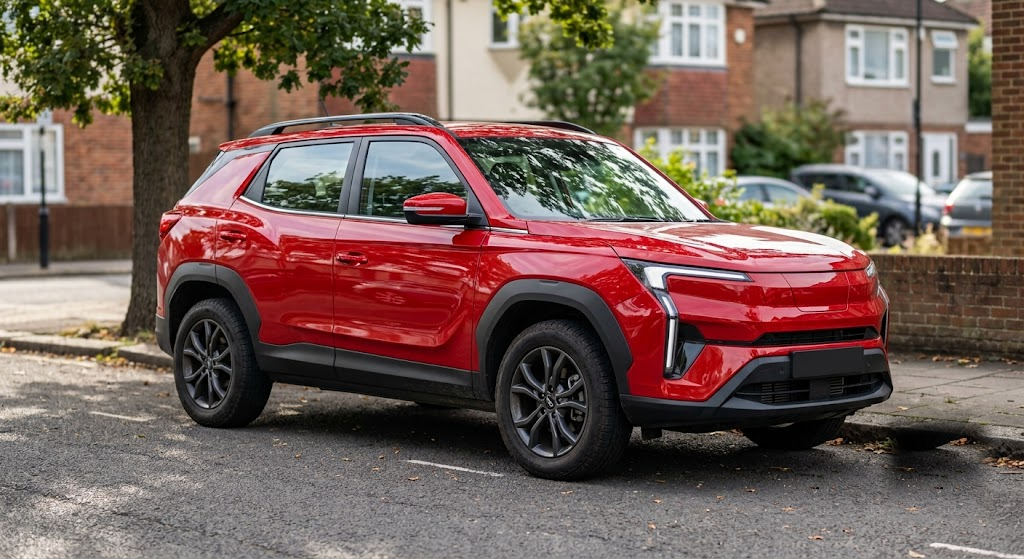
The locally manufactured mainstream segment is the most insulated corner of the market right now. The Mahindra XUV700 (from Rs 13.99 lakh), built at Chakan, Pune, draws on a supply chain that is predominantly India-sourced, with Mahindra actively localising even electronic components to reduce exposure to global disruptions. The Kia Seltos (from Rs 10.99 lakh) and Hyundai Creta are both assembled in Andhra Pradesh with deep local-vendor networks. For families needing three rows, the Kia Carens (from Rs 11 lakh) and the Toyota Innova Hycross Hybrid (from Rs 19.30 lakh, rated at 21.1 kmpl) are the standout picks. The Innova Hycross Hybrid's fuel economy is particularly relevant in the current rate environment: at approximate metro petrol prices of Rs 95–105 per litre, a car averaging 21 kmpl and covering 1,500 km a month could save an owner roughly Rs 3,000–4,000 per month versus a comparably sized non-hybrid petrol — enough to meaningfully offset the cost of a higher EMI, all else being equal.
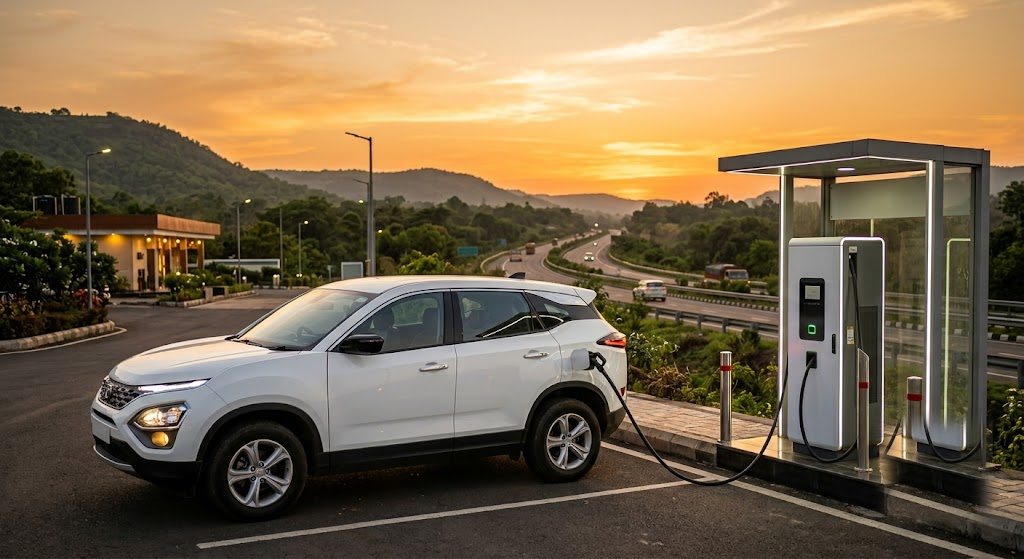
Electric vehicles carry their own distinct macro logic here. With no credible signal of a major petrol-duty reduction on the horizon, the per-kilometre running cost advantage of a home-charged EV is durable and compounding. The Mahindra BE 6 (from Rs 18.90 lakh, ARAI-certified range of 490 km on its 59 kWh pack) and the Tata Nexon EV (from Rs 12.99 lakh, 465 km MIDC range) are both manufactured domestically, meaning their pricing is completely decoupled from CBU import cycles and FTA fine print. With Tier-1 charging infrastructure now adequate for urban daily-use patterns, the total-cost-of-ownership case has rarely been stronger. The key discipline: the RBI's rate hold means EV loans are not suddenly inexpensive, so model out your specific monthly mileage carefully before committing — and check whether a battery-lease structure from your OEM changes the effective EMI picture in your favour.
The macro picture for July 2026 delivers a fairly clear playbook. Buyers with budgets of Rs 60 lakh and above eyeing British-origin vehicles or CBU variants of European brands have a genuine rationale to wait six to twelve months for FTA pricing to crystallise at the showroom. For everyone else — the broad majority of buyers in the Rs 8–25 lakh bracket — the wait calculus runs the other way: rates are not falling soon, domestic vehicle prices have been trending upward, and supply-chain unpredictability can extend delivery timelines without warning. The sharpest value right now sits in locally made, fuel-efficient models. Lock in a fixed-rate loan today, choose a hybrid or electric drivetrain where your annual mileage justifies it, and favour manufacturers with India-first supply chains — that combination puts you ahead of both the rate cycle and the slow-moving trade-deal timeline.