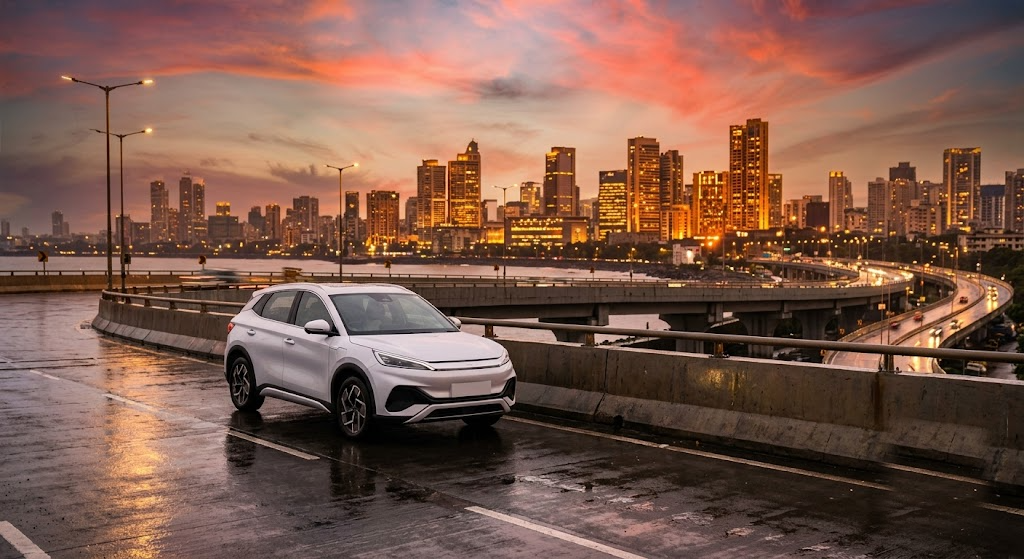
India-UK CETA 2026: Luxury Car Prices Set to Fall by Rs 3 Crore
The DGFT's new Tariff Rate Quota framework for UK vehicle imports is the biggest structural shift in India's luxury car market in years — and it lands the same week the RBI trimmed growth, raised inflation, and held the repo rate steady.
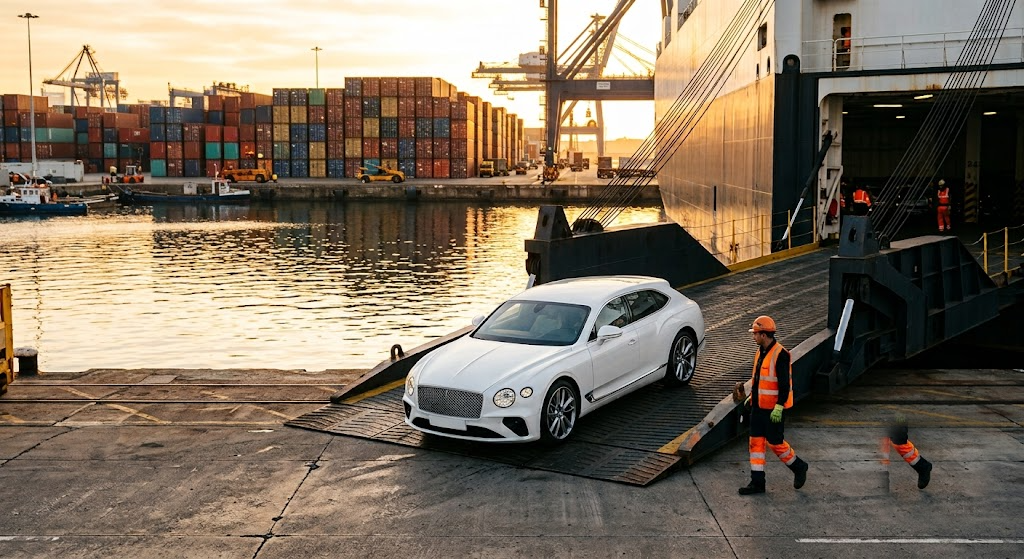
The India-UK Comprehensive Economic and Trade Agreement crossed a critical milestone on July 10, when the Directorate General of Foreign Trade formally notified the Tariff Rate Quota framework governing vehicle imports under the pact. Within hours, industry estimates were circulating: duty reductions on qualifying UK-origin cars could shave Rs 1 crore to Rs 3 crore off on-road prices. That is not a marginal discount — it is a structural realignment of how British nameplates reach Indian driveways. The timing is layered with other signals. The RBI's Monetary Policy Committee held the repo rate at 5.25% on June 10 but cut India's FY27 growth forecast to 6.6% and nudged the inflation projection up to 5.1%. A modest dip in crude oil prices and RBI intervention helped the rupee firm slightly last week. GST collections and auto sales continued to climb through June. The macro picture, in short, is not alarming — but it is far more textured than the sales-boom headlines alone suggest.
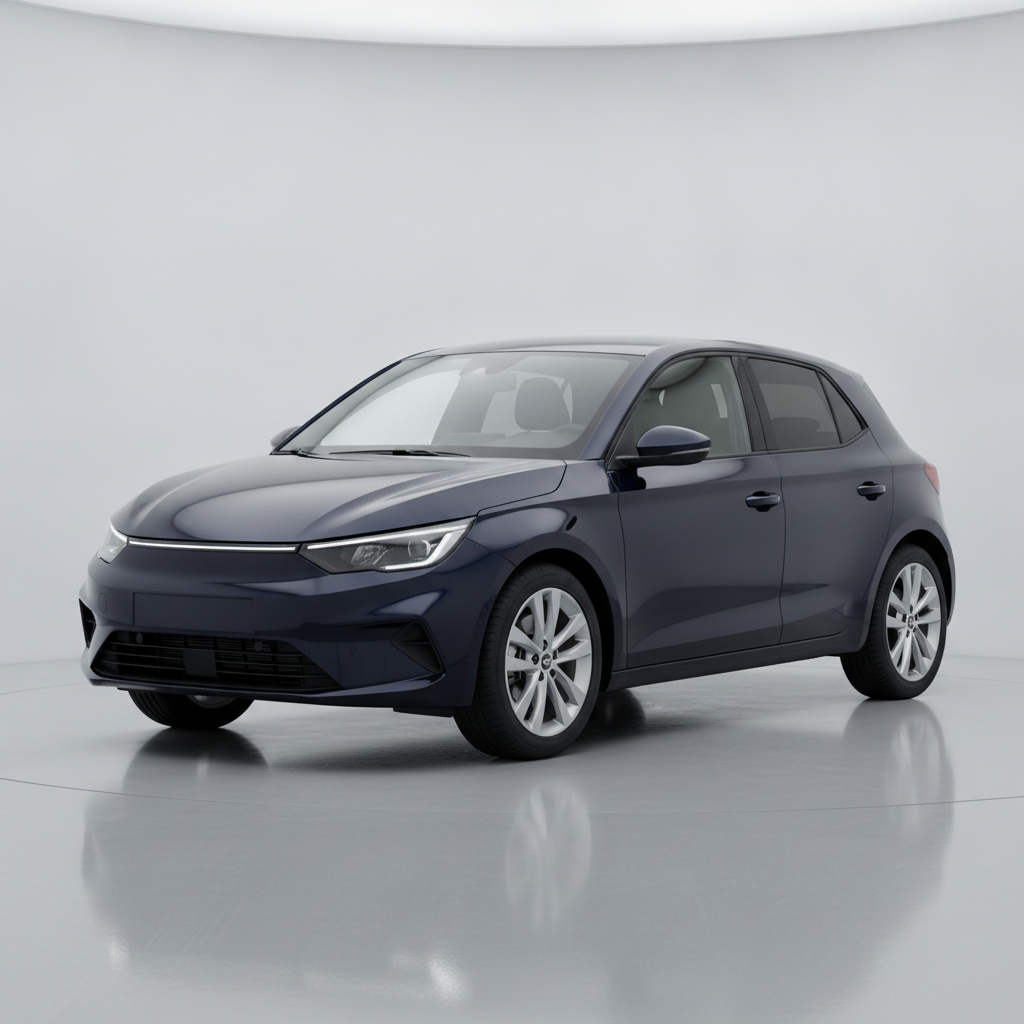
The fine print of the TRQ mechanism is the detail most coverage glosses over. A tariff rate quota means reduced import duties apply only up to a capped volume of vehicles; once that quota is exhausted, standard duties reassert themselves. This is effectively a race, and dealers representing British marques will allocate those quota slots to their most serious buyers first. For anyone considering a [Mini Cooper](/cars/mini-cooper) — currently priced from approximately Rs 44.9 lakh — the duty reduction could compress the on-road figure meaningfully over the coming months, potentially into the Rs 38-42 lakh range, though the precise timeline depends on how quickly DGFT releases quota tranches and how dealers price the benefit through. The [Lexus ES](/cars/lexus-es), a petrol-hybrid executive sedan from Rs 64.2 lakh, arrives from Japan and is outside the UK pact's scope — but it illustrates the wider point that every CBU (completely built unit) carry import-duty exposure that domestically assembled cars simply do not, regardless of which trade deal is in play.
For buyers outside the luxury bracket — which is most of India — the number that matters most is still the repo rate. At 5.25%, auto loan rates from banks and NBFCs are likely to remain in the 8.75-10% corridor for the near term. On a Rs 10 lakh loan over five years at 9%, the EMI works out to roughly Rs 20,750 per month — a figure that has not materially worsened over the past two quarters. The more real pinch is inflation at 5.1%, which is quietly eroding the household surplus that funds those EMIs. The growth forecast revision to 6.6% is not a red flag — India remains one of the fastest-growing major economies — but it is a signal that the post-pandemic consumer tailwind is moderating. The practical read: if your finances are in order and the model you want is available, the macroeconomic case for waiting is weaker than it might feel.
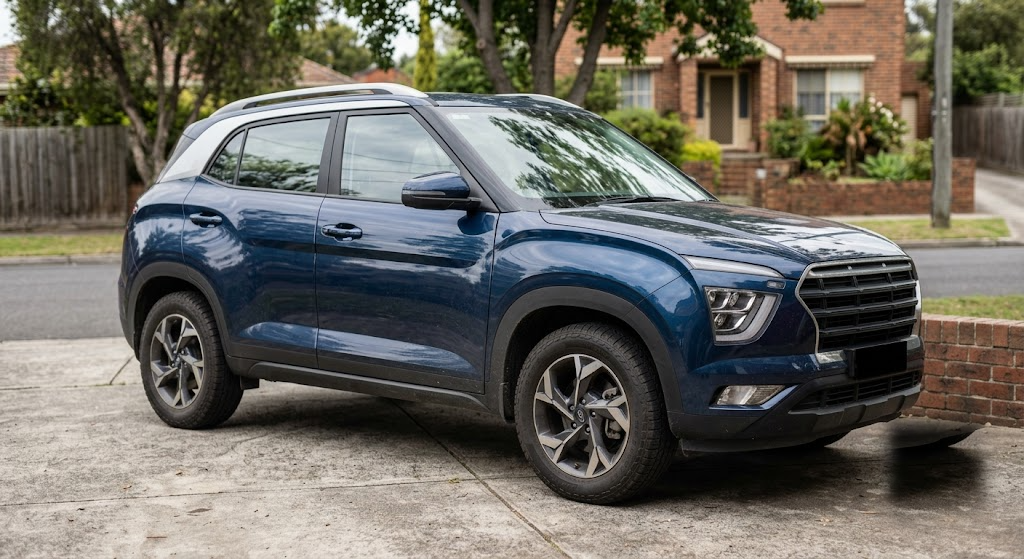
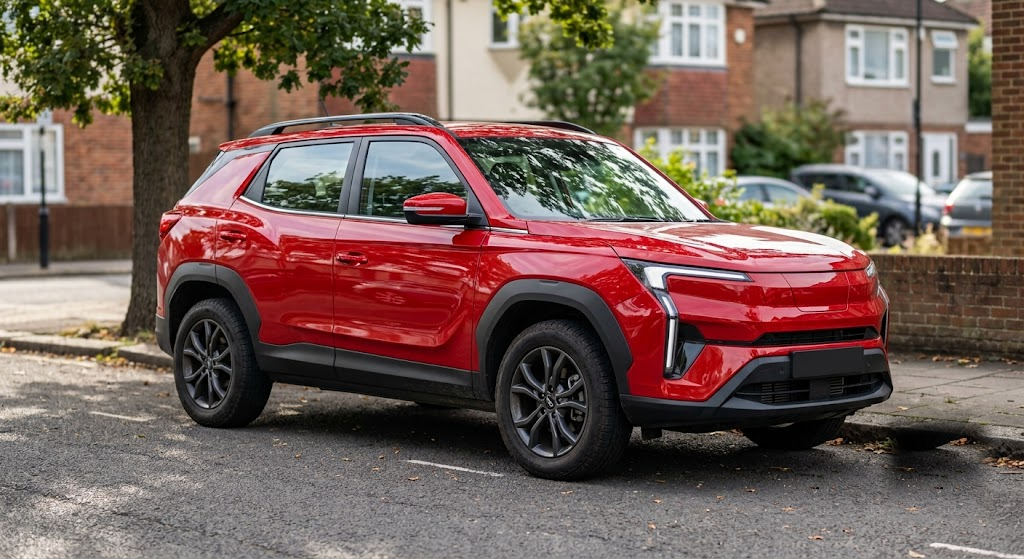
The clearest buyer opportunity in this environment is in the segment that import-duty turbulence simply cannot reach: locally assembled cars. The [Hyundai Creta](/cars/hyundai-creta), starting at Rs 11 lakh with petrol and diesel options returning up to 17.4 kmpl, sits at the heart of the mid-SUV market with stable pricing and no CETA-related disruption on the horizon. The [Mahindra XUV700](/cars/mahindra-xuv700), from Rs 13.99 lakh with petrol and diesel variants delivering around 16.5 kmpl, is assembled in Nashik with deep local sourcing — the geopolitical supply chain volatility that is squeezing European and Southeast Asian production corridors has limited direct bearing on its availability or sticker price. The [Kia Seltos](/cars/kia-seltos), from Rs 10.99 lakh and capable of up to 20.7 kmpl on the diesel, has built robust India-anchored supply chains since its 2019 launch. These are not fallback choices; they are competitive, well-equipped cars whose prices simply do not carry the import premium.
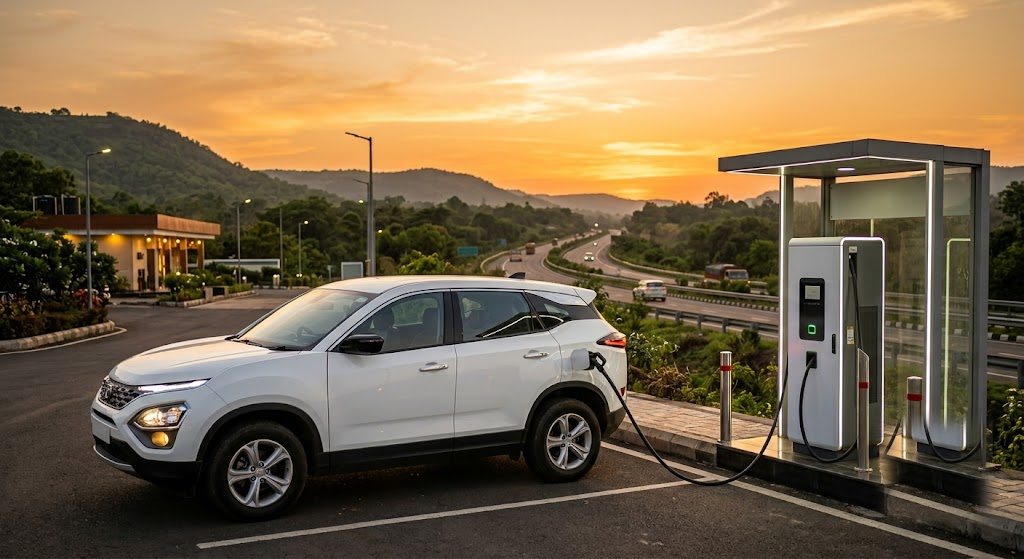
Fuel costs deserve a place in every buying decision this month. Crude oil eased last week and the rupee steadied, but energy market analysts tracking geopolitical risk — from Middle Eastern shipping corridors to Southeast Asian supply chain realignments — have flagged how quickly that calm can reverse. The financial case for fuel efficiency is therefore durable, not transient. The [Toyota Innova Hycross](/cars/toyota-innova-hycross) in its petrol-hybrid guise delivers 21.1 kmpl — an exceptional figure for a full-size MUV — and starts at Rs 19.3 lakh; for families covering 1,500 km or more each month, the running cost gap versus a non-hybrid alternative is real money. The [Maruti Suzuki Baleno](/cars/maruti-suzuki-baleno), at Rs 6.65 lakh and 22.35 kmpl, remains one of the most economical ownership propositions on sale in India, with CNG variants compressing per-kilometre costs further. At the other end of the spectrum, the [Mahindra BE 6](/cars/mahindra-be-6) at Rs 18.9 lakh and 490 km of ARAI-claimed range hedges against fuel price risk altogether and benefits from stable electricity tariffs that crude swings cannot easily touch.
The buyer's playbook for July 2026 breaks cleanly into two tracks. If you are in the market for a British-origin luxury car, register your interest with an authorised dealer immediately to understand quota allocation and likely delivery timelines — the TRQ framework is genuinely new, and the Rs 1-3 crore headline saving is plausible, but only for buyers who move before quota slots fill. For everyone else, the RBI's rate hold is a green light, not a siren: buy when your budget is ready and the model suits your needs, rather than speculating on a better macro window that may not arrive. Prioritise locally assembled models for pricing stability, lean toward high-mileage petrols, CNG, or hybrids to insulate yourself from energy market swings, and treat the UK duty story as positive context for the luxury segment — not a reason for mass-market buyers to pause a decision that already makes sense.