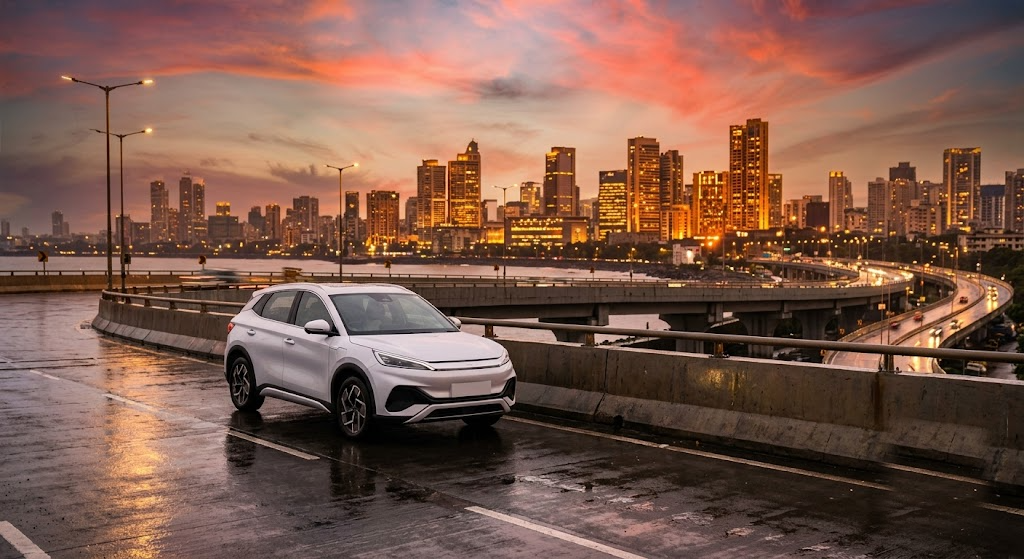
Hybrid Car Wave 2026-27: Why the Economy Says Buy Right Now
With India's GDP forecast lifted to 6.8% and the RBI governor ruling out rate hikes, the macro stars are aligned for Indian car buyers — but the window will not stay open forever.
On 26 June 2026, Goldman Sachs raised its India GDP growth forecast to 6.8%, explicitly crediting the rapid fading of what had been a significant oil-price shock earlier in the year. Two days before that, RBI Governor Sanjay Malhotra publicly called discussions about a repo rate hike "premature" — a pointed signal that borrowing costs will stay at their current level through at least the near-term policy horizon. Meanwhile, the interim US-Iran peace deal, while still fragile, has taken some heat out of global crude markets, keeping petrol and diesel pump prices from spiralling at a moment when household budgets are already stretched. These three data points — higher growth, stable rates, and easing fuel costs — arriving in the same week create a confluence that Indian car buyers would be unwise to ignore.
The most direct implication for anyone sitting on a car-buying decision is the EMI calculation. Auto loan rates from major banks and NBFCs are priced at a spread above the repo rate; with the RBI holding firm and the governor explicitly cooling rate-hike speculation, that spread is unlikely to widen in the coming months. On a ₹10 lakh principal over 60 months at a representative 9–9.5% annual rate, monthly EMIs work out to roughly ₹20,700–₹21,000 — a figure that has stayed broadly flat across the past two quarters. If India's 6.8% growth trajectory eventually prompts the RBI to tighten (something the governor has pushed back against, but which is always on the table if inflation firms up), those EMIs rise across the full loan term. Locking in today's rate is a quantifiable saving, not a vague aspiration.
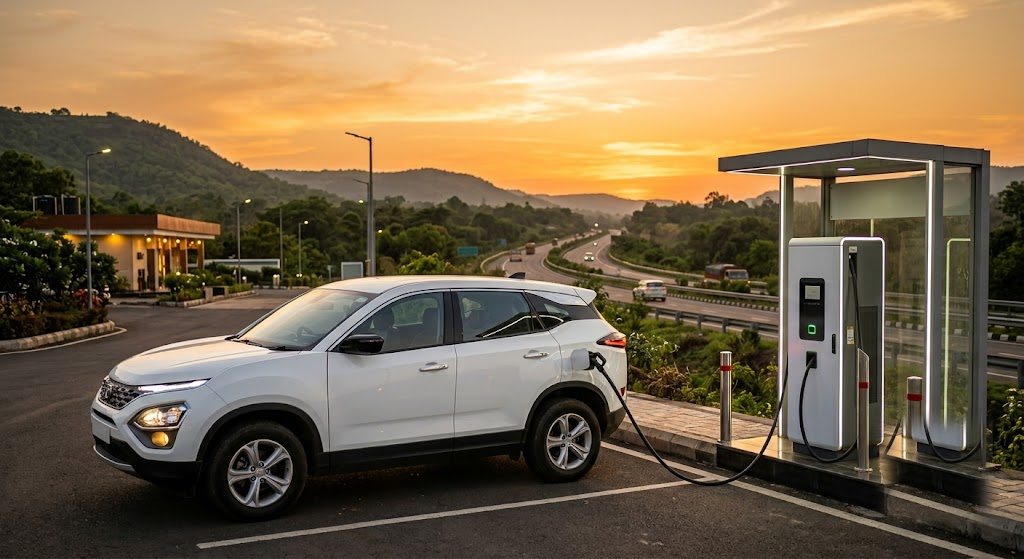
This economic backdrop arrives just as India's auto market is preparing for a significant hybrid push through 2026–27. Industry coverage as recently as mid-June flagged a pipeline of strong-hybrid and mild-hybrid variants across multiple segments — compact SUVs, mid-size sedans, and premium MUVs. When a new generation of desirable models arrives in showrooms, the variants available today typically face rising demand and tightening inventory ahead of their own refresh cycles. Waiting periods on strong-hybrid variants of popular MUVs and sedans have historically stretched from weeks to months within a single product cycle. Buying a current-generation hybrid now — while the rate environment is benign and fuel costs are contained — is more rational than queuing for a 2027 entrant that will likely carry a launch premium and a two-month waitlist.
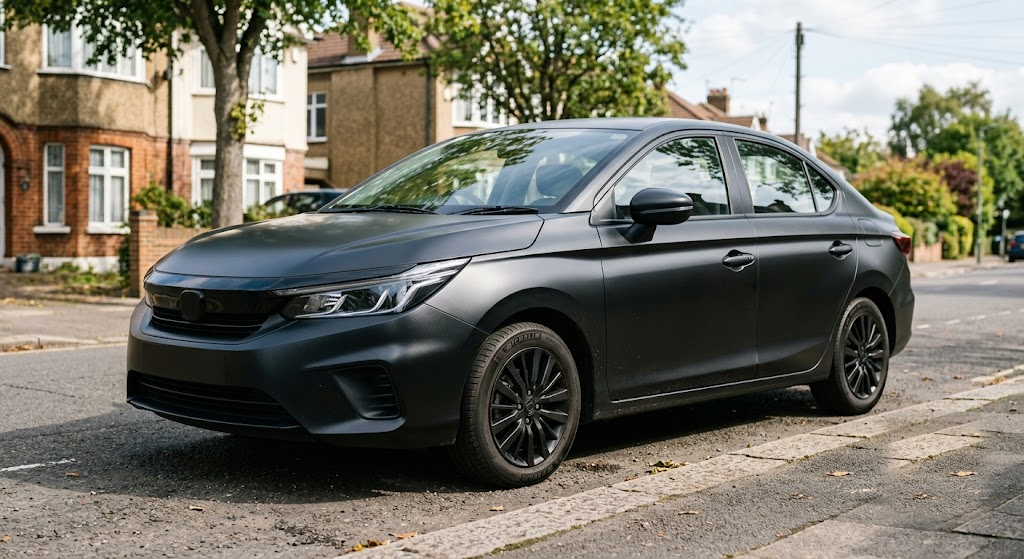
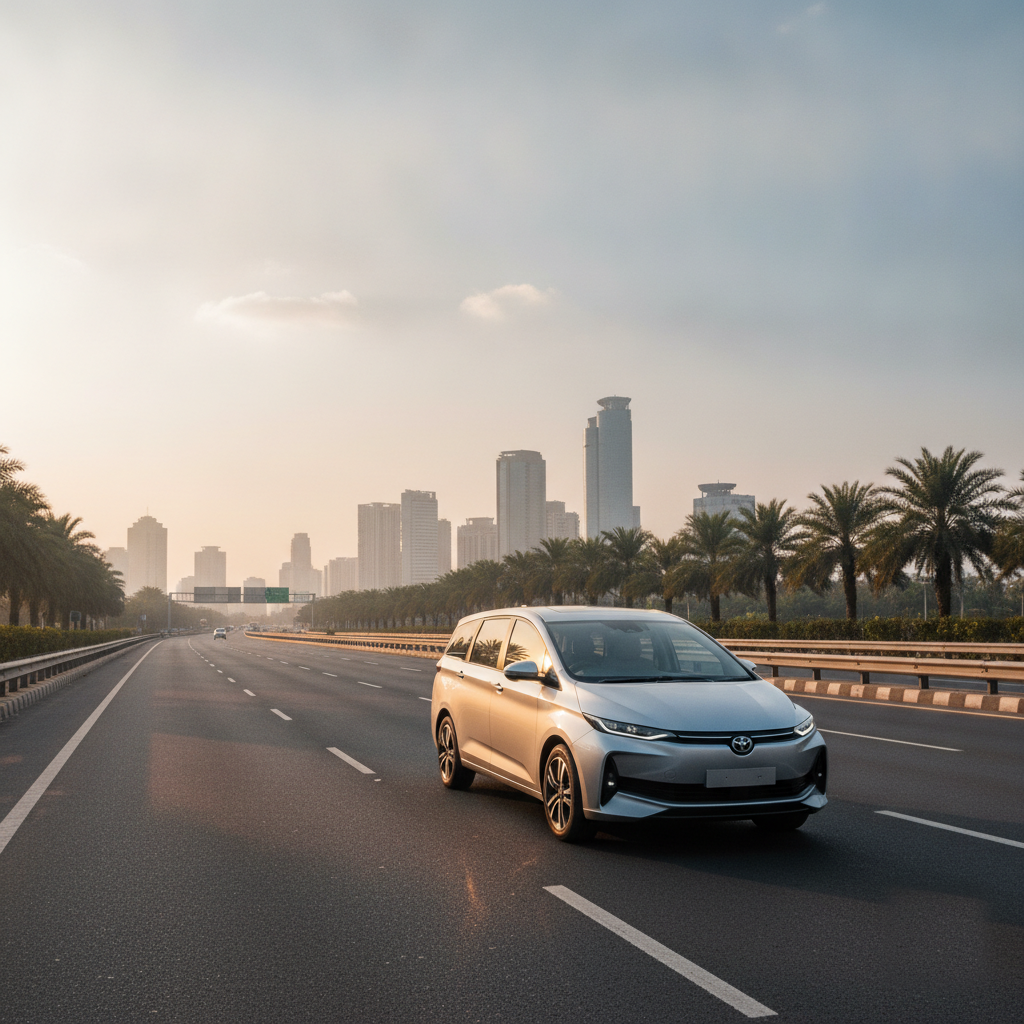
Three models from the current catalogue make the strongest case in this environment. The [Toyota Innova Hycross](/cars/toyota-innova-hycross) (petrol-hybrid, from ₹19.3 lakh, 21.1 kmpl claimed) is the anchor pick: a seven-seat MUV whose hybrid system delivers a running-cost advantage that only grows as fuel prices stabilise at a lower base. With GDP growth translating into rising family and corporate fleet budgets, demand for the Hycross is set to firm through H2 2026 — booking early is the only reliable way to avoid the queue. In the volume sedan space, the [Honda City](/cars/honda-city) hybrid (petrol-hybrid, from ₹11.9 lakh, 18.4 kmpl claimed) sits in a price band where the current loan-rate window matters most: the hybrid premium is typically recovered within three to four years at today's fuel costs, and that payback period shortens if crude edges back up. At the premium end, the [Lexus ES](/cars/lexus-es) (petrol hybrid, from ₹64.2 lakh, 22.4 kmpl claimed) is less exposed to mass-market inventory pressure, but carries a different risk — import-linked pricing can shift if the rupee softens against the dollar or yen, making an early booking more sensible than an extended deliberation.
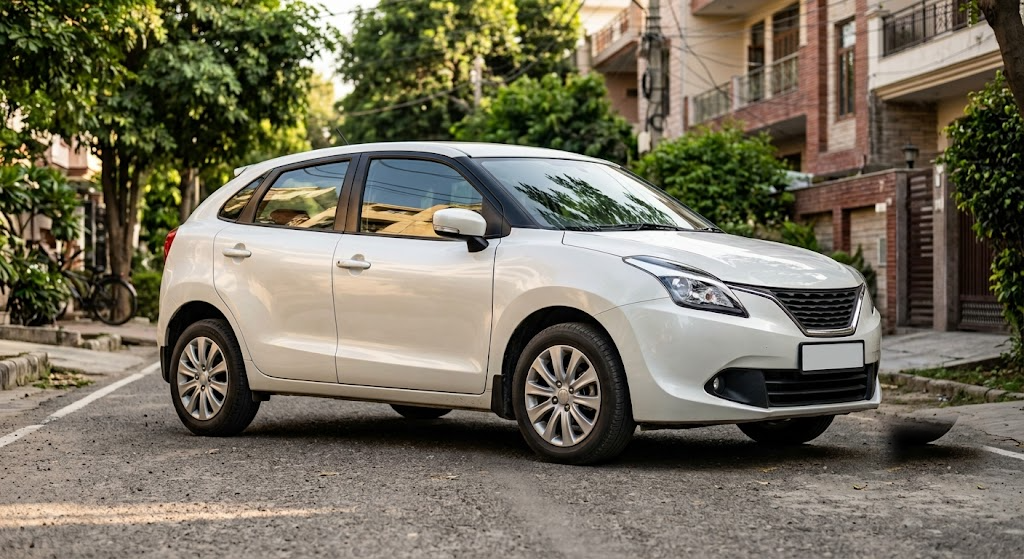
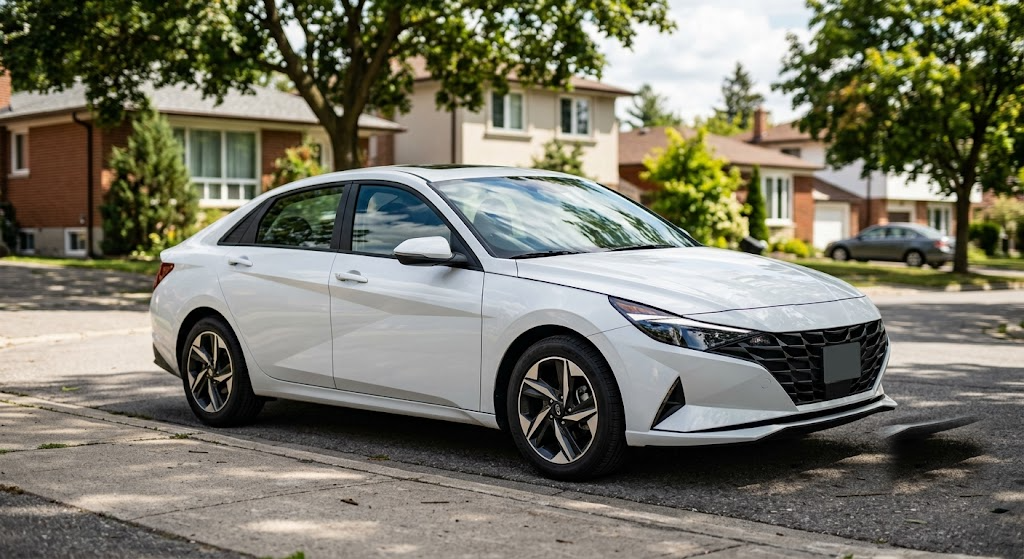
For buyers not yet ready to absorb the hybrid premium, the same macro signals support moving now in the efficient petrol and CNG segments. The [Maruti Suzuki Baleno](/cars/maruti-suzuki-baleno) (petrol/CNG, from ₹6.65 lakh, 22.35 kmpl petrol) is the benchmark for fuel economy in the hatchback space — negligible waiting periods, wide bank-financing tie-ups, and a running cost that benefits directly from today's stabilised fuel prices. Step up to the [Hyundai Verna](/cars/hyundai-verna) (petrol, from ₹11 lakh, 20.6 kmpl) for a feature-loaded mid-size sedan that consistently punches above its price band. And for SUV buyers, the [Hyundai Creta](/cars/hyundai-creta) (petrol/diesel, from ₹11 lakh, diesel variant at 17.4 kmpl) pencils out particularly well right now: with crude retreating from mid-year highs, the per-kilometre cost advantage of diesel over petrol is widening slightly, improving the Creta diesel's total-cost-of-ownership case over a five-year hold.
The macro picture is rarely this unambiguous — GDP upgraded, rates held, fuel costs receding — and it will not remain this way indefinitely. The RBI governor's explicit dismissal of rate-hike talk is the clearest near-term signal buyers will receive. If you have been deferring a hybrid purchase, the Innova Hycross or Honda City hybrid deserves a serious test drive this month, not next quarter. If the hybrid premium is currently a stretch, the Baleno or Verna let you lock in today's loan rates without sacrificing fuel efficiency. In either case, the data argues against delay: the economic green lights are on now, the hybrid wave that will crowd showrooms is only months away, and the cumulative cost of waiting — in higher EMIs, longer queues, and missed fuel savings — is quietly compounding.