5 India-Made Cars to Buy as Import Duties Threaten Luxury Prices
India's auto boom is colliding with rising import protectionism and global supply-chain stress — and where you buy matters more than ever right now.
India's passenger vehicle market logged its strongest June performance in years — a 25% year-on-year sales jump powered by Maruti Suzuki, Tata, and Mahindra — just as the industry's trade body SIAM fired a pointed policy salvo. This week SIAM formally urged the government to raise import duties on commercial tractors and prime movers to 40%, a move that signals the broader mood across Indian automotive manufacturing: defend domestic production as global trade walls multiply. Across the Channel, UK automotive supply chains are navigating serious trade policy headwinds, a reminder that no major market is insulated from disruption. Closer to home, RBI Governor Sanjay Malhotra explicitly pushed back on rate hike speculation, keeping borrowing costs steady. Taken together — a domestic sales boom, rising import protectionism, and stable financing conditions — these three forces define the car-buying environment for Indian consumers in July 2026.
For buyers considering imported vehicles, SIAM's lobbying is a genuine yellow flag. India's tariff on fully built-up (CBU) cars already sits at 70–100%, and political momentum behind import protection tends to compound over successive budgets. The [Lexus ES](/cars/lexus-es) (from ₹64.2 lakh, 22.4 kmpl) and [Porsche Macan](/cars/porsche-macan) (from ₹88 lakh) arrive as fully imported units and are the most directly exposed to any duty revision. The [Mercedes-Benz C-Class](/cars/mercedes-benz-c-class) (from ₹60 lakh) and [Mercedes-Benz GLC](/cars/mercedes-benz-glc) (from ₹74 lakh) are assembled locally in Pune, which provides partial insulation — but the high import content in their bills of materials still responds to tariff signals. If you are budgeting for any of these models, the prudent move is to get a firm dealer quote now and lock it in before any pre-Budget notification shifts the pricing floor.
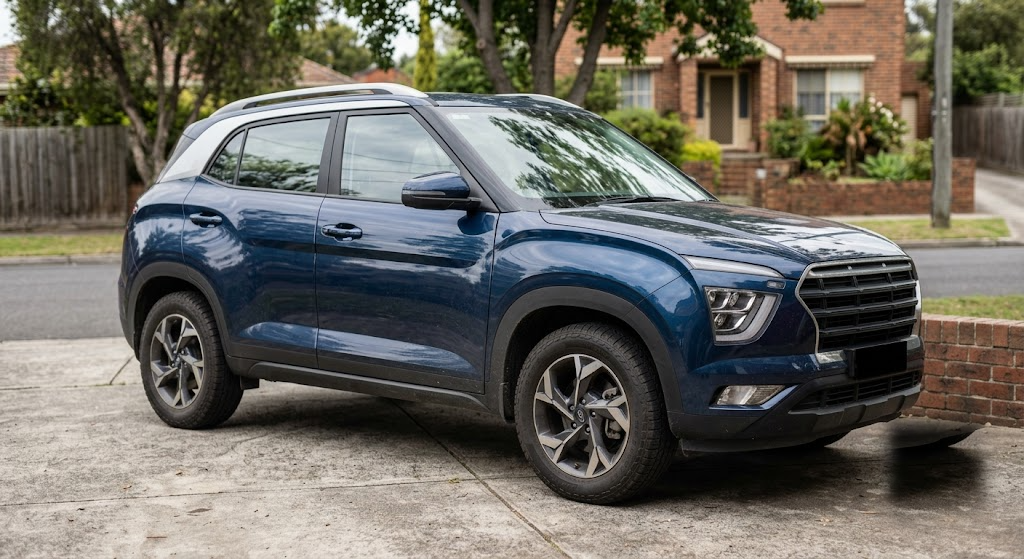
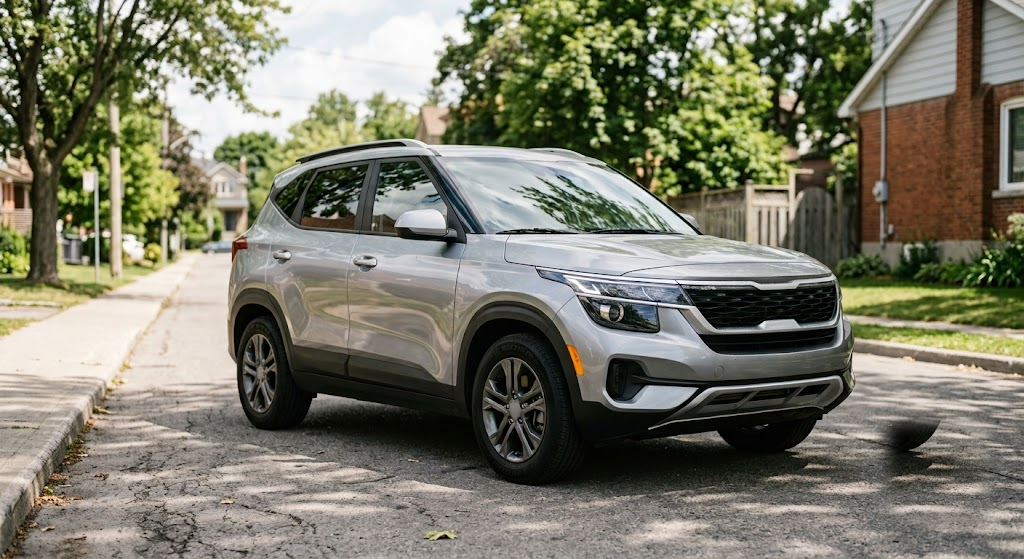
The flip side of the same macro picture is genuinely encouraging for buyers of domestically manufactured vehicles. RBI intervention has steadied the rupee, easing the landed cost of imported auto components and reducing inflationary pressure on local manufacturers' ex-factory pricing. With the central bank governor calling rate hike talk premature, car loan rates — currently hovering around 9–9.5% from major lenders for creditworthy borrowers — are unlikely to move sharply before Q3 2026. On a ₹11 lakh loan for the [Hyundai Creta](/cars/hyundai-creta) (from ₹11 lakh, 17.4 kmpl), that translates to roughly ₹20,000–21,000 per month over a 60-month tenure — a predictable number in the current environment. The [Kia Seltos](/cars/kia-seltos) (from ₹10.99 lakh, up to 20.7 kmpl in diesel) sits in exactly the same sweet spot: Indian-built, competitively priced, and completely free of the import duty uncertainty that clouds the premium segment.
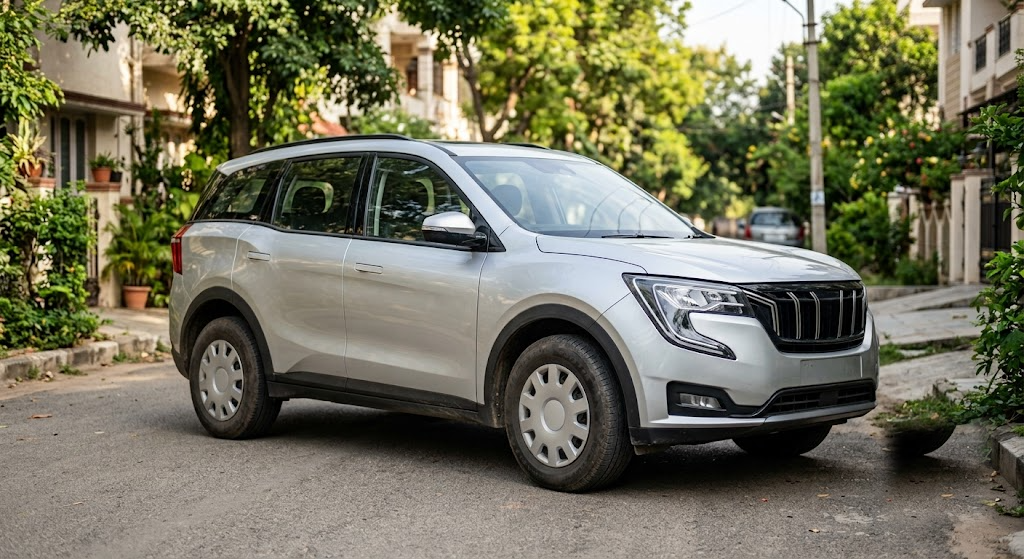
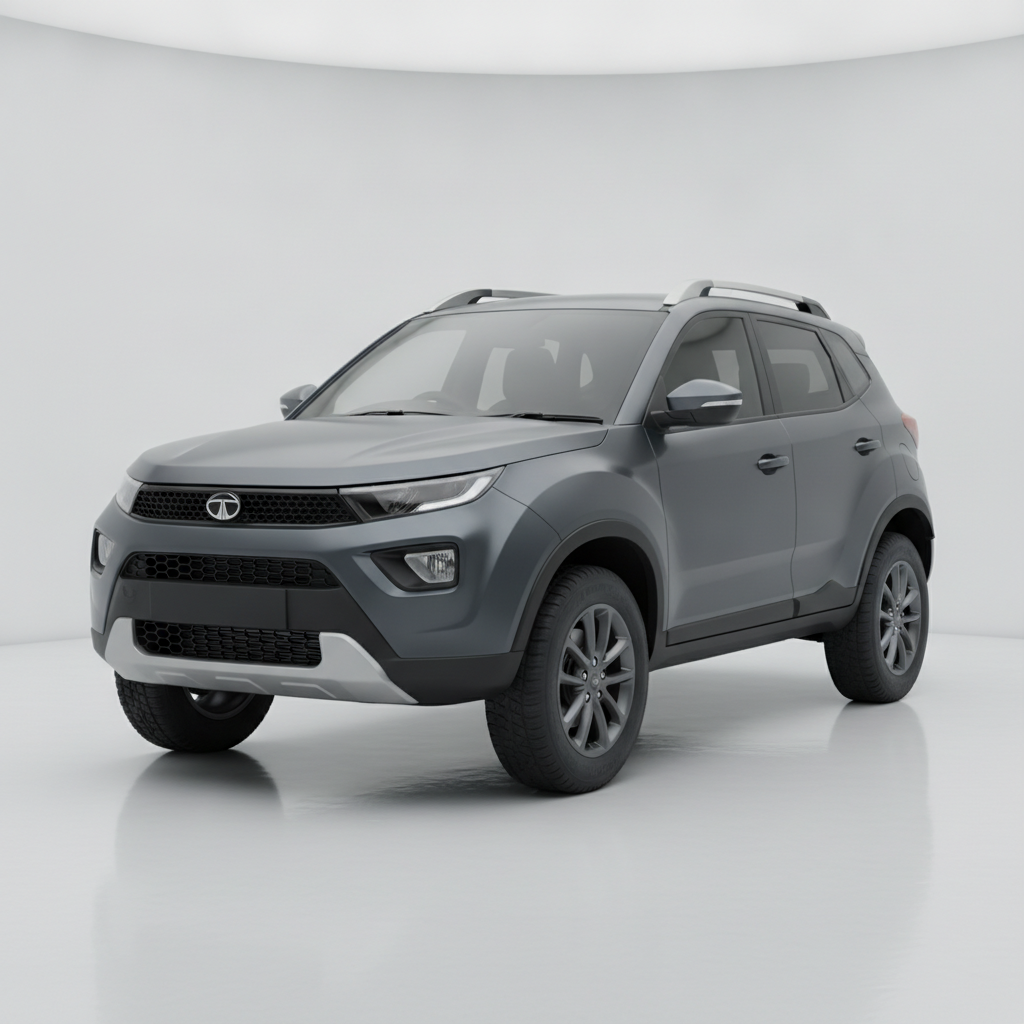
The June sales surge carries an important practical caveat: popular models are moving fast, and waiting periods stretch during demand spikes. The [Mahindra XUV700](/cars/mahindra-xuv700) (from ₹13.99 lakh, 16.5 kmpl) and the [Tata Nexon](/cars/tata-nexon) (from ₹8 lakh, 17.4 kmpl petrol / 23.2 kmpl diesel) have both historically built queues during high-demand cycles — and June's sales numbers indicate we are squarely in one now. Mahindra's publicly stated "Attack Mode" expansion strategy signals capacity investments underway, but factory output typically lags a sales spike by several weeks. Buyers with a firm delivery timeline are better served by the [Maruti Suzuki Baleno](/cars/maruti-suzuki-baleno) (from ₹6.65 lakh, 22.35 kmpl) and [Honda City](/cars/honda-city) (from ₹11.9 lakh, 18.4 kmpl) — high-volume production lines with more reliable delivery windows and deep, pan-India service networks.
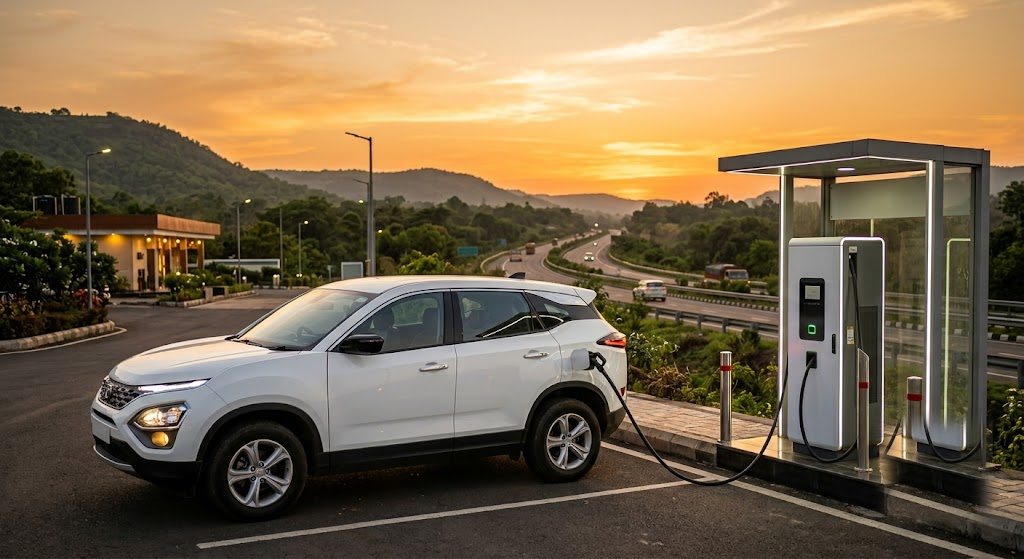
The domestic manufacturing argument is strongest for buyers considering an EV. The [Mahindra BE 6](/cars/mahindra-be-6) (from ₹18.9 lakh, 490 km ARAI range on the 59 kWh pack) and the [Tata Nexon EV](/cars/tata-nexon-ev) (from ₹12.99 lakh, 465 km MIDC range) are built in India and benefit from GST concessions, FAME-linked incentives, and state-level subsidies that imported EVs simply cannot access. With GST collections rising in step with auto sales — a signal of healthy underlying fiscal momentum — the government retains both the revenue base and the political rationale to keep domestic EV policy supportive through the medium term. For a buyer weighing an imported premium EV against a home-built alternative, the duty and incentive arithmetic currently tilts decisively toward the Indian option.
The July 2026 buying window can be summarised cleanly: if your budget sits below ₹20 lakh and you are choosing among locally built SUVs, act now while EMIs are predictable and delivery slots are still manageable. The Creta, Seltos, XUV700, and Nexon form the core of this argument — Indian-built, tariff-insulated, and priced in an environment where borrowing costs are not about to spike. Buyers stretching toward the Nexon EV or BE 6 have the additional tailwind of domestic incentives. At the luxury end, the right move is to lock in current pricing before any duty revision announcement. India's auto economy is running genuinely hot — but the import protection signals are building steadily, and buyers who commit at today's pricing are likely to look back on July 2026 as a well-timed decision.