June Sales Up 25%: 4 Cars to Book Before Waiting Periods Bite
India's passenger vehicle sales jumped 25% in June 2026 and the RBI is holding rates steady — a combination that is quietly shrinking stock at dealerships and making the case for booking sooner rather than later.

India's passenger vehicle market delivered a jolt of confidence in June 2026, with domestic sales surging approximately 25% year-on-year and Maruti Suzuki, Tata Motors, and Mahindra & Mahindra leading that charge. The timing matters: the RBI's Monetary Policy Committee, meeting in the same week those figures landed, chose to hold the repo rate at 5.25%, keeping car loan rates across major lenders broadly in the 8.5–10.5% range. Meanwhile, the easing of West Asia tensions has reduced the near-term risk of an oil-price spike, and FY27 GDP is still forecast at a solid 6.6% even after the MPC trimmed its earlier estimate. The macro picture is genuinely supportive — but that very confidence is quietly creating a practical problem for buyers who wait.
When monthly retail demand runs 25% above the prior year, dealer inventory across India's most-wanted segments — compact SUVs, sub-4-metre crossovers, and value sedans — drains faster than manufacturers can replenish. This dynamic triggered well-documented waiting periods of two to six months on several popular models during the 2023 demand cycle, and the June surge signals a similar build-up may be forming. Layer onto that SIAM's push to raise import duties to 40% on commercial tractors and prime movers, and the broader policy signal reads protectionist. If duty increases spread to auto components in the next budget cycle, production costs on vehicles that rely on imported parts could firm up — adding price pressure before any repo-rate cut materialises.
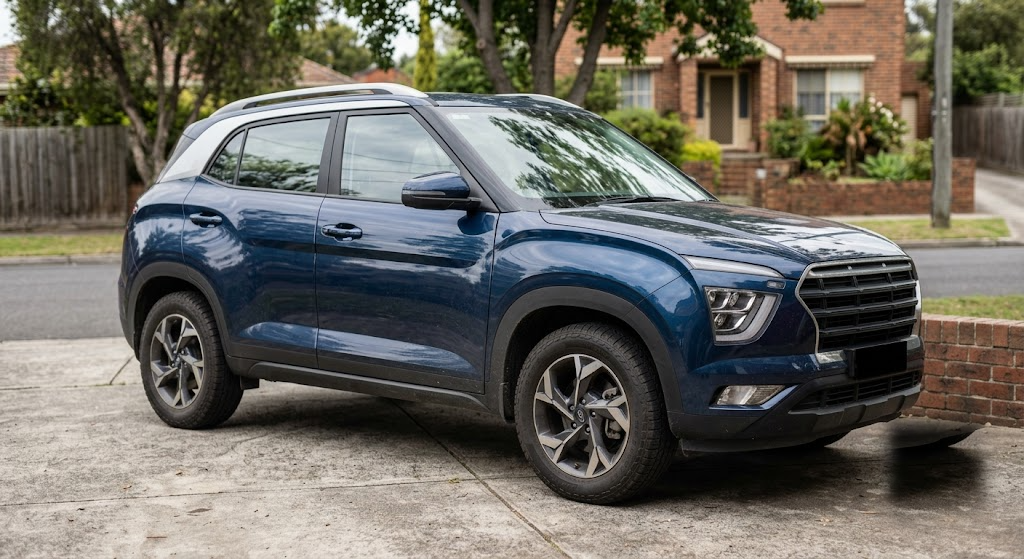
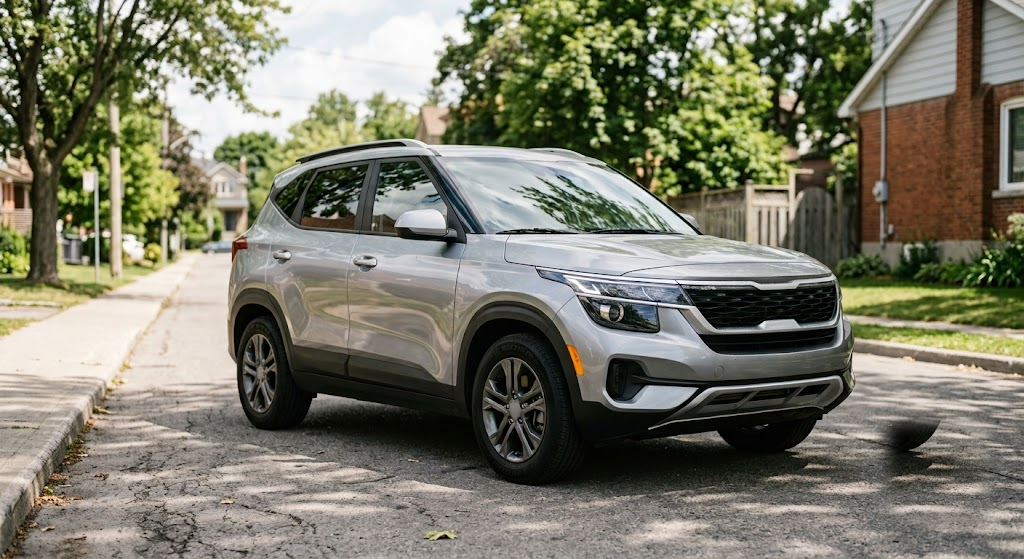
The segment where booking pressure is most tangible is the compact and mid-size SUV space. The Hyundai Creta (from ₹11 lakh, 17.4 kmpl petrol) routinely moves over 15,000 units a month nationally, and top variants like the diesel SX(O) trim typically carry four- to six-week waits even in ordinary months — a gap that widens when demand spikes. The Kia Seltos (from ₹10.99 lakh, up to 20.7 kmpl in diesel) sits in the same demand tier: assembled domestically, which insulates it from import tariff exposure, but sheer booking volume is what eats into available stock. Critically, both manufacturers have historically announced ex-showroom price revisions in September ahead of Navratri and Diwali; booking in July locks in the current price for most variants — a tangible saving even before any rate movement is factored in.
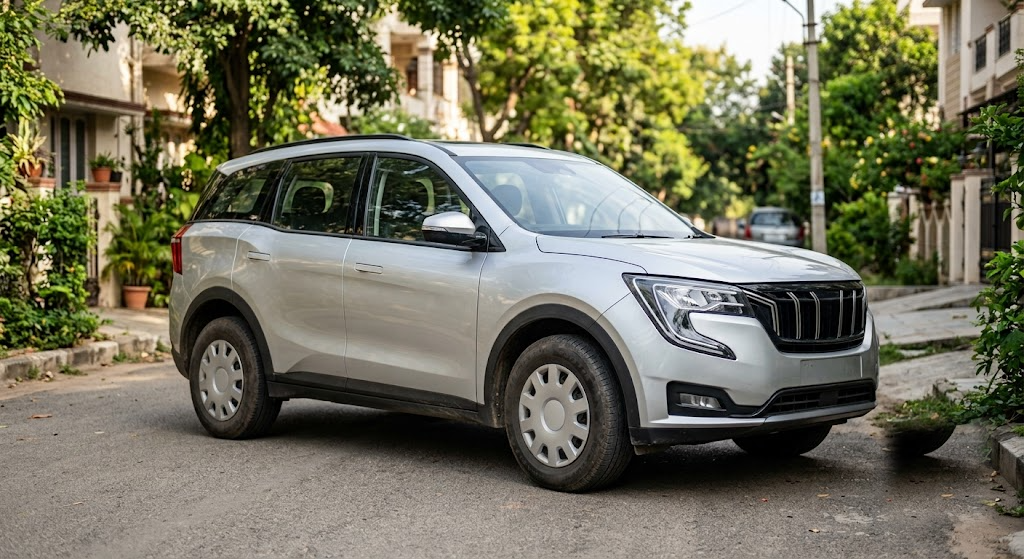
Mahindra's publicly stated "attack mode" posture is showing up at dealerships as much as in press releases. The Mahindra XUV700 (from ₹13.99 lakh, up to 16.5 kmpl) continues to run on stretched allocations in popular diesel trims, and the Mahindra BE 6 (from ₹18.9 lakh, 490 km ARAI range on the 59 kWh battery pack) is accumulating bookings quickly as urban EV adoption grows. For buyers considering electric without paying a CBU premium, the Tata Nexon EV (from ₹12.99 lakh, 465 km MIDC claimed range) remains the most production-volume-backed option in the segment. Both EVs are manufactured in India, keeping them relatively shielded from the duty and foreign-exchange volatility that affects imported vehicles.
Buyers at the premium end should treat the SIAM lobbying signal as a directional warning. Models like the Mercedes-Benz C-Class (from ₹60 lakh) and the Mercedes-Benz GLC (from ₹74 lakh) are assembled locally from CKD kits, giving them partial exposure to any component-level duty changes. Fully imported CBU cars — the Lexus ES at ₹64.2 lakh or the Mercedes-Benz E-Class at ₹78.5 lakh — carry the most direct currency and duty risk. The rupee's relative stability is currently helping hold prices at these levels, but that balance can shift quickly with any fresh global trade shock. If a luxury CBU is genuinely on your shortlist, acting before a duty notification is a more financially defensive move than waiting for a hypothetical price correction.
The practical takeaway is this: the current window is genuinely good — held rates, stable fuel prices, a growing economy, and no imminent policy shock on the horizon. But the 25% June demand surge is consuming that window faster than it might appear from the outside. For buyers in the ₹10–20 lakh bracket, shortlist this month, test-drive this weekend, and book before September's festive demand wave pushes waiting periods further out and prompts the seasonal price revision that OEMs traditionally use to open the festive quarter. For luxury buyers, the duty environment argues against open-ended deferral. The conditions making today's purchase financially sensible are in place; the only variable you can actually control is how quickly you walk into a showroom.