EU-US Tariffs & German Cars: What India Buyers Must Know in 2026
A simmering EU-US trade dispute is nudging European luxury car prices upward in India — while stable RBI rates and easing oil prices make domestically built SUVs and hybrids an unusually smart buy right now.
Goldman Sachs upgraded India's GDP growth forecast to 6.8 per cent last Friday, citing the fading oil price shock that followed an interim US-Iran ceasefire — a constructive signal for consumer spending and business investment alike. But at the very same moment, a less-noticed trade drama is playing out across the Atlantic. Germany's powerful automotive lobby welcomed a broad EU-US trade framework in principle last month, yet was explicit that tariffs continue to weigh heavily on European car exports. That tension — between improving Indian macro fundamentals and a global trade environment that remains unresolved — sets up a genuinely interesting moment for any Indian car buyer deciding whether to act now, wait, or shift segment entirely.
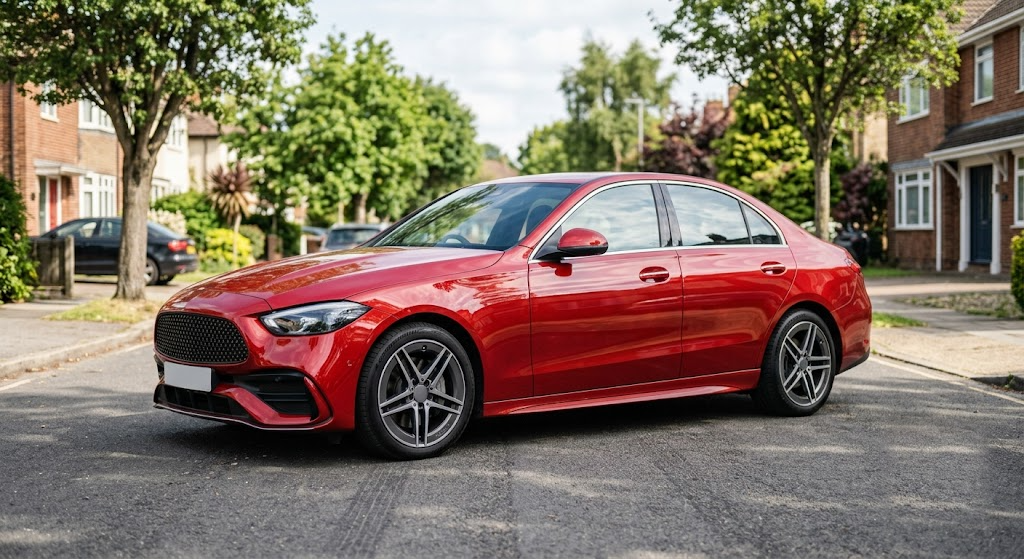
For buyers eyeing European completely built unit imports, the EU-US tariff standoff is not abstract. Models such as the [Mercedes-Benz C-Class](/cars/mercedes-benz-c-class), starting at approximately ₹60 lakh, and the [Porsche Macan](/cars/porsche-macan), from around ₹88 lakh, arrive in India subject to customs duties of roughly 100 per cent on the landing price. When European manufacturers absorb margin pressure from US tariffs at home, the knock-on effect in India typically surfaces through tightened local marketing budgets, delayed product refreshes, and — most directly — end-of-year price revisions. Neither brand has announced India hikes for the current model year, but historically, January price lists have been the vehicle for such adjustments. Buyers targeting high-end CBU imports would be wise to factor this risk into their negotiation timeline; finalising a deal before December is a reasonable hedge against a quietly inevitable revision.
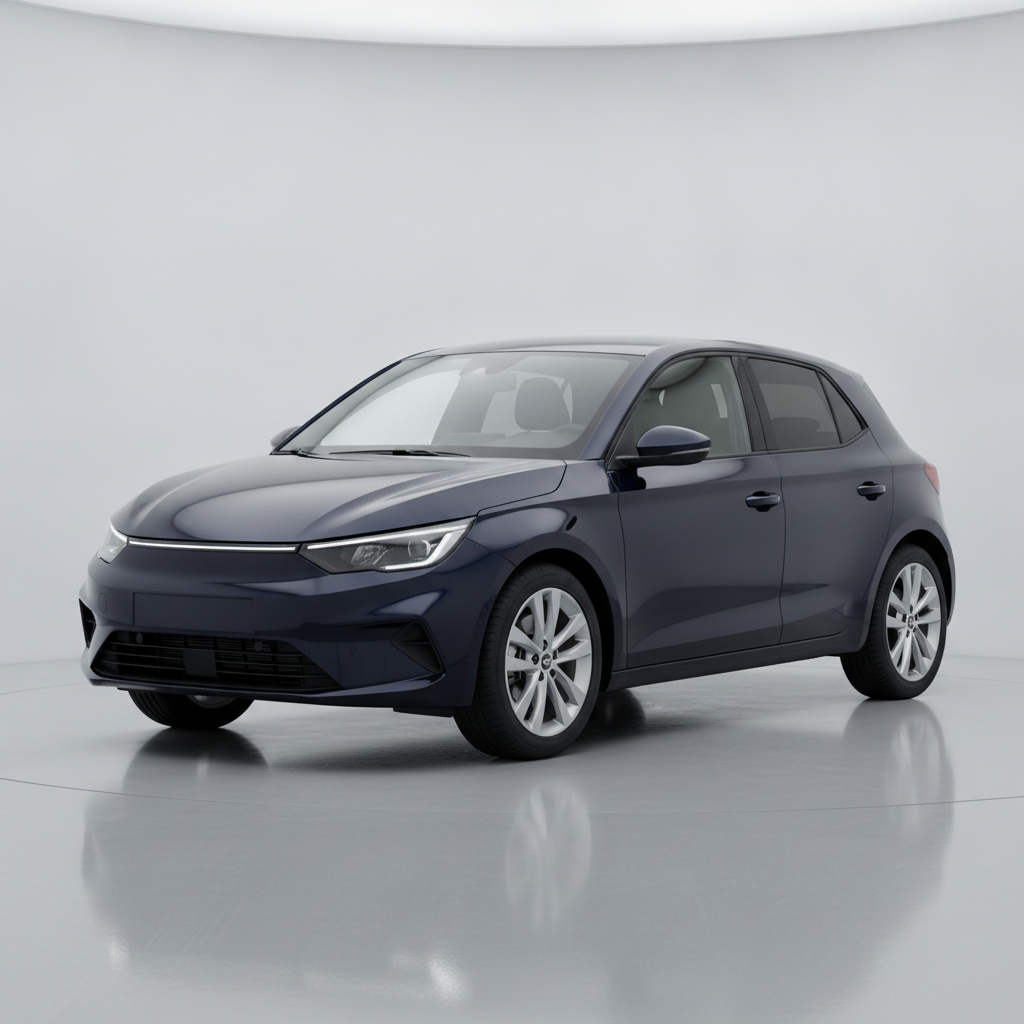
There is a more constructive story unfolding on the UK front. India's trade agreement with Britain includes a provision allowing approximately 3.78 lakh UK-origin cars to enter at concessional duty rates over the first fifteen years of the pact — and the most consumer-relevant car in that UK-origin cohort currently sold in India is the [Mini Cooper](/cars/mini-cooper), assembled in Oxford and priced from ₹44.9 lakh. The important caveat: duty relief of this kind is phased in over multiple annual tranches, and meaningful reductions at the showroom level are still a couple of policy cycles away. Buyers attracted to the Mini today will pay close to the current sticker. The medium-term trajectory, however, is genuinely positive for the brand, and for any additional British nameplates that might follow as the pact matures — making this a watch-closely situation rather than a buy-now trigger.
For the nine in ten Indian buyers shopping in the ₹8 lakh to ₹20 lakh band, the more relevant signal comes from Mint Road. RBI Governor Sanjay Malhotra this week explicitly called rate-hike talk premature, reinforcing the view that the repo rate will stay on hold and that auto loan rates will remain in the roughly 8.5–9.5 per cent range for the foreseeable future. A five-year loan on a ₹12 lakh car at 9 per cent per annum works out to approximately ₹24,900 per month — a figure that has been broadly stable and could ease modestly if the central bank finds room to cut later in 2026. Softer oil prices, meanwhile, have calmed the per-kilometre running cost that many buyers factor into their total-cost calculation. This is, by recent standards, a genuinely supportive environment in which to lock in a locally assembled car purchase.
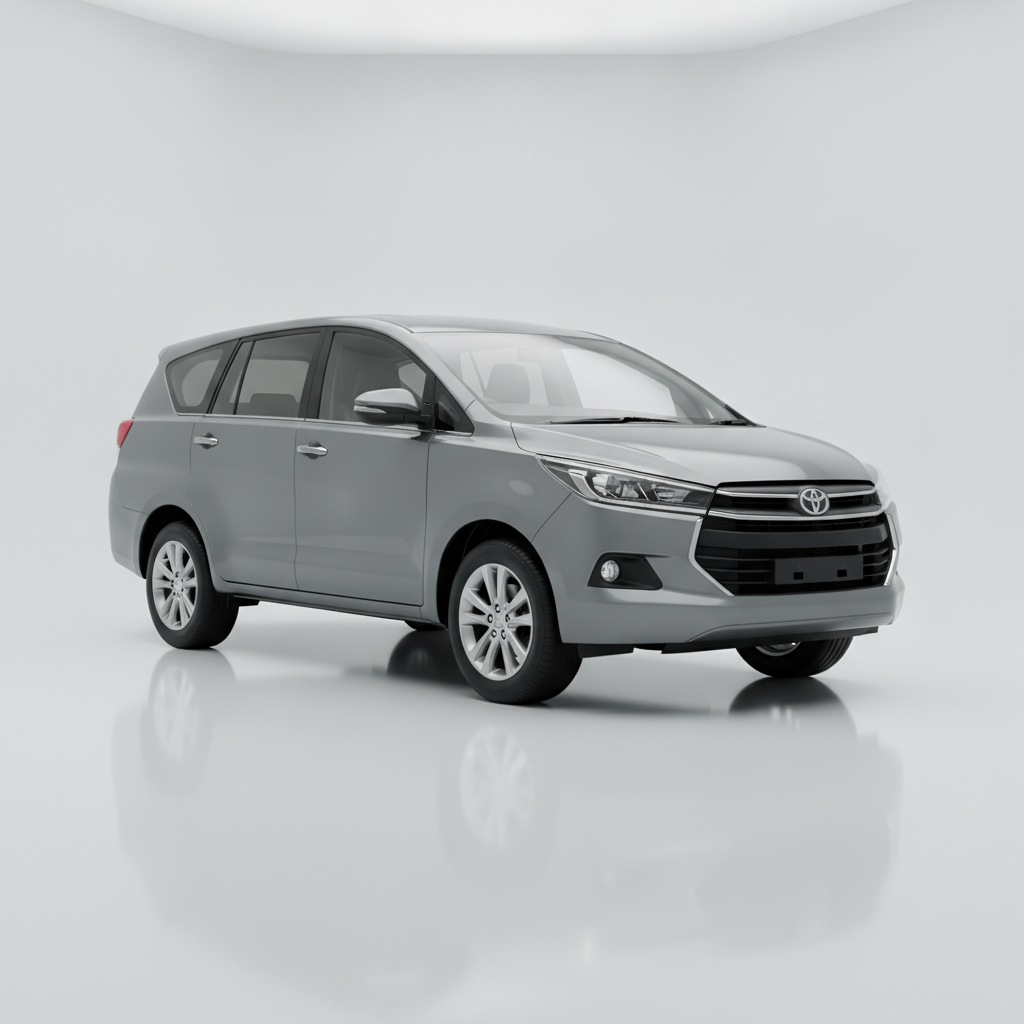
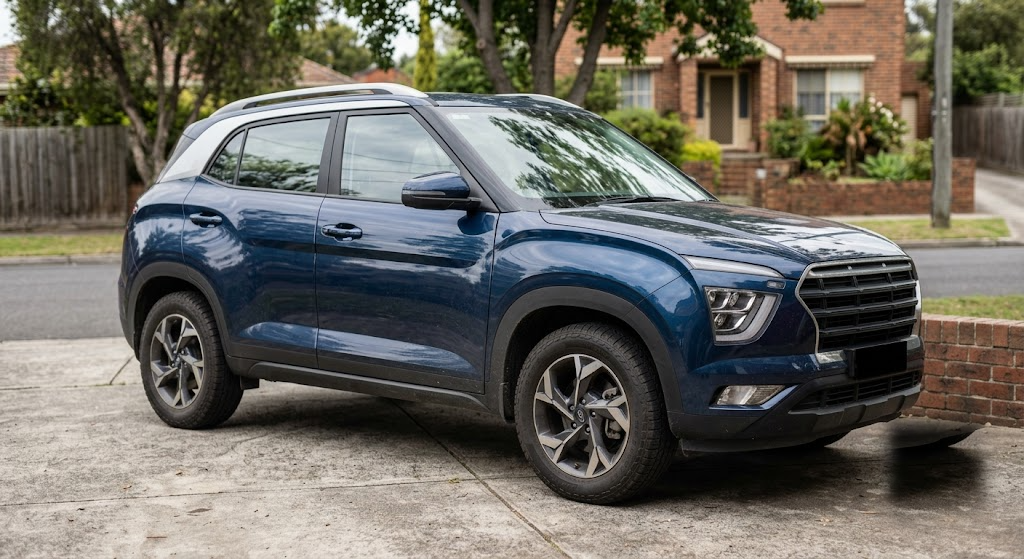
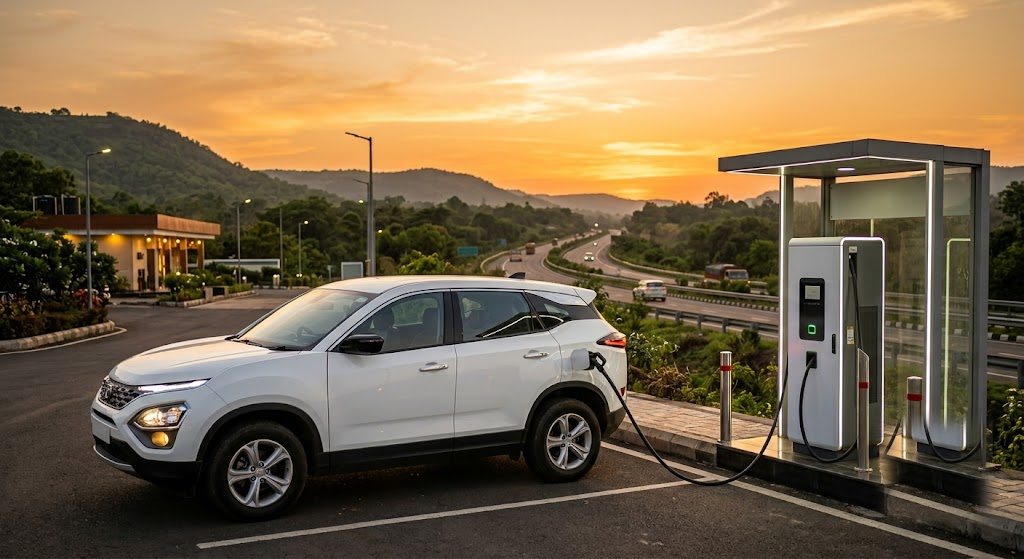
The models that align best with this macro moment are domestically manufactured mid-size SUVs and petrol-hybrid vehicles that carry no import-duty exposure. The [Hyundai Creta](/cars/hyundai-creta), from ₹11 lakh with a claimed 17.4 kmpl, remains the segment benchmark — strong resale, wide service network, and zero reliance on imported CBU logistics chains that global tariff friction could disrupt. For larger-family buyers, the [Toyota Innova Hycross](/cars/toyota-innova-hycross) hybrid — priced from ₹19.3 lakh and returning a claimed 21.1 kmpl in hybrid mode — is the standout buy of the current climate. It is assembled in India, fully insulated from transatlantic tariff drama, and its hybrid powertrain provides a natural hedge against any future fuel-price rebound that a less settled global oil market could still deliver. Waiting periods on the Hycross tend to extend ahead of the festive quarter, so buyers wanting an October or November delivery should book by August at the latest.
The practical playbook for late June 2026 comes down to three clear moves. If you are shopping in the ₹8–20 lakh domestic segment, the combination of stable interest rates, softer fuel, and a GDP growth upgrade is as favourable a backdrop as India has seen in several years — act rather than wait. If a European luxury CBU import is on your radar, push the deal through before year-end to insulate yourself from the January price-revision risk that tariff pressure on German manufacturers makes increasingly likely. And if the India-UK duty story has you excited about the Mini Cooper or future British entrants, treat it as a medium-term positive rather than an immediate discount — the savings will come, but gradually. India's car market is absorbing genuine global complexity right now, and the domestic fundamentals give buyers far more room to act with confidence than the international headlines alone would suggest.