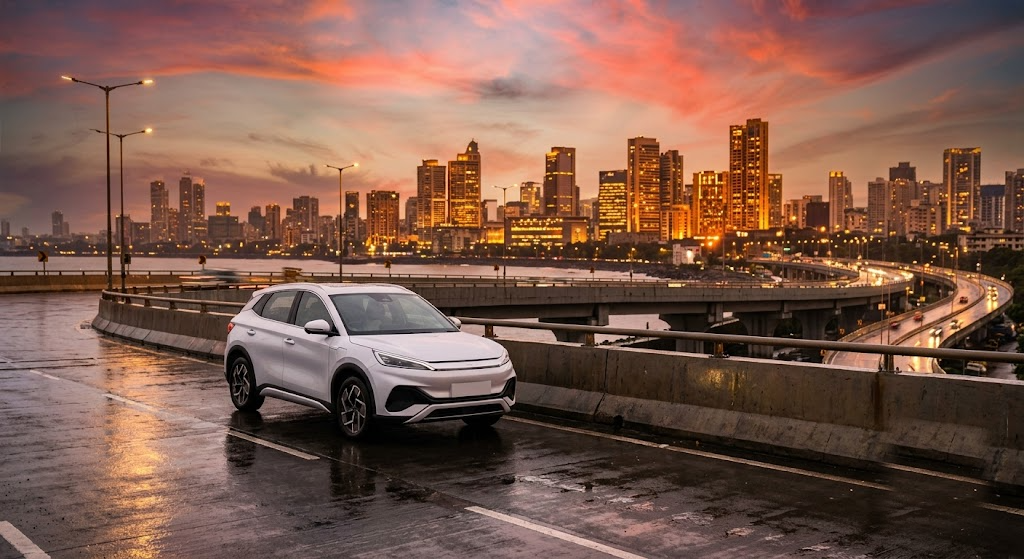
3 Economic Shifts Changing What Car You Buy in July 2026
Three simultaneous economic shifts — a GST hike on hybrids, newly notified UK vehicle tariffs and quotas, and a steady 5.25% repo rate — are rewriting the car-buying calculus for every Indian buyer this July.
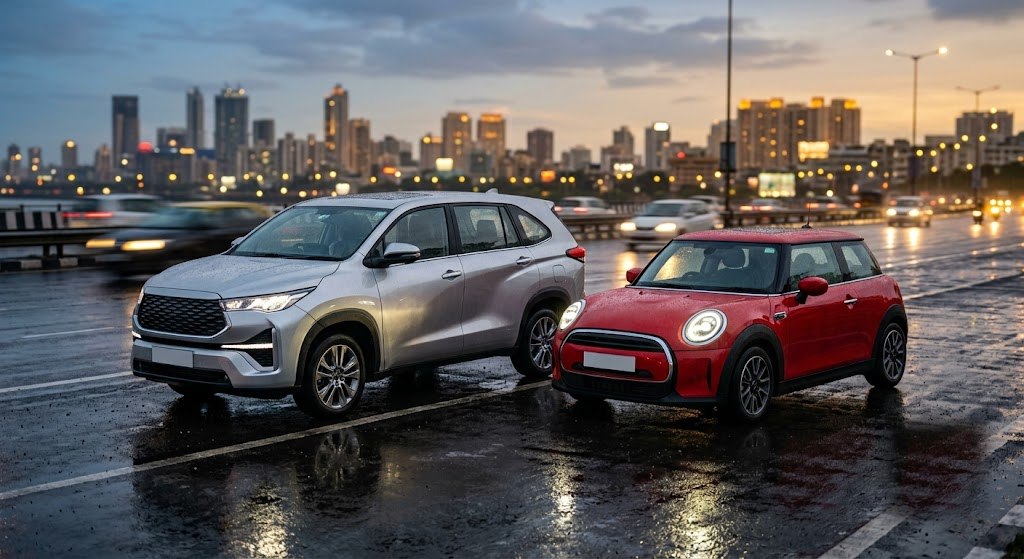
India's car market absorbed three significant economic developments in the span of a single week. The GST Council's decision to raise the tax rate on hybrid vehicles came into effect on July 12, immediately pushing up prices on some of the most popular fuel-efficient models in the country. A day earlier, on July 10, the RBI's Monetary Policy Committee wrapped up its June 2026 meeting having held the repo rate at 5.25% — but with a notable downward revision to FY27 GDP growth (to 6.6%) and an upward tick in the inflation forecast to 5.1%. Also on July 10, the government formally notified the tariff schedule and tariff rate quotas governing vehicle imports from the United Kingdom under the bilateral free trade agreement — a framework that will define how British-origin cars enter India for years ahead. For a buyer sitting on a purchase decision right now, the question is not whether these forces matter, but which one matters most to your specific situation.
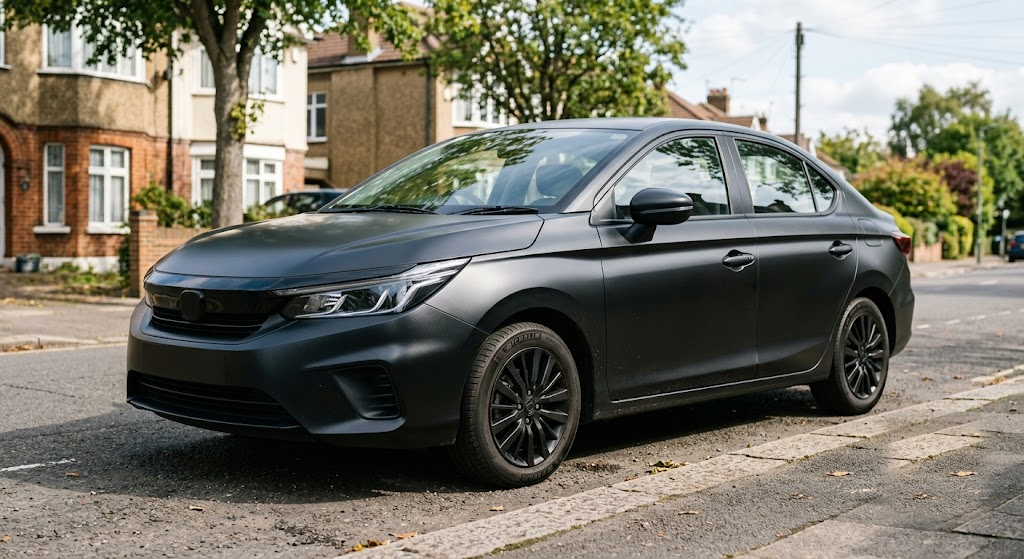
The GST hike on hybrids is the most immediately felt of the three shifts. Strong-hybrid models — those where the electric motor meaningfully assists the combustion engine — now face a higher tax incidence, translating into on-road price increases of roughly ₹50,000 to ₹1.5 lakh depending on the variant and home state. The [Toyota Innova Hycross](/toyota-innova-hycross), starting at approximately ₹19.3 lakh ex-showroom and returning a class-leading 21.1 kmpl on its petrol-hybrid powertrain, is among the most directly affected models. The [Honda City](/honda-city) hybrid variant — part of a lineup starting at ₹11.9 lakh — had offered one of the most accessible strong-hybrid propositions in the country; that value equation has now shifted upward. The case for these cars remains compelling on lifecycle fuel savings — a hybrid owner doing 1,500 km per month in urban traffic can realistically expect 28–35% better mileage than a comparable petrol-only vehicle — but buyers now need to recalculate the breakeven period on a higher upfront cost before committing.
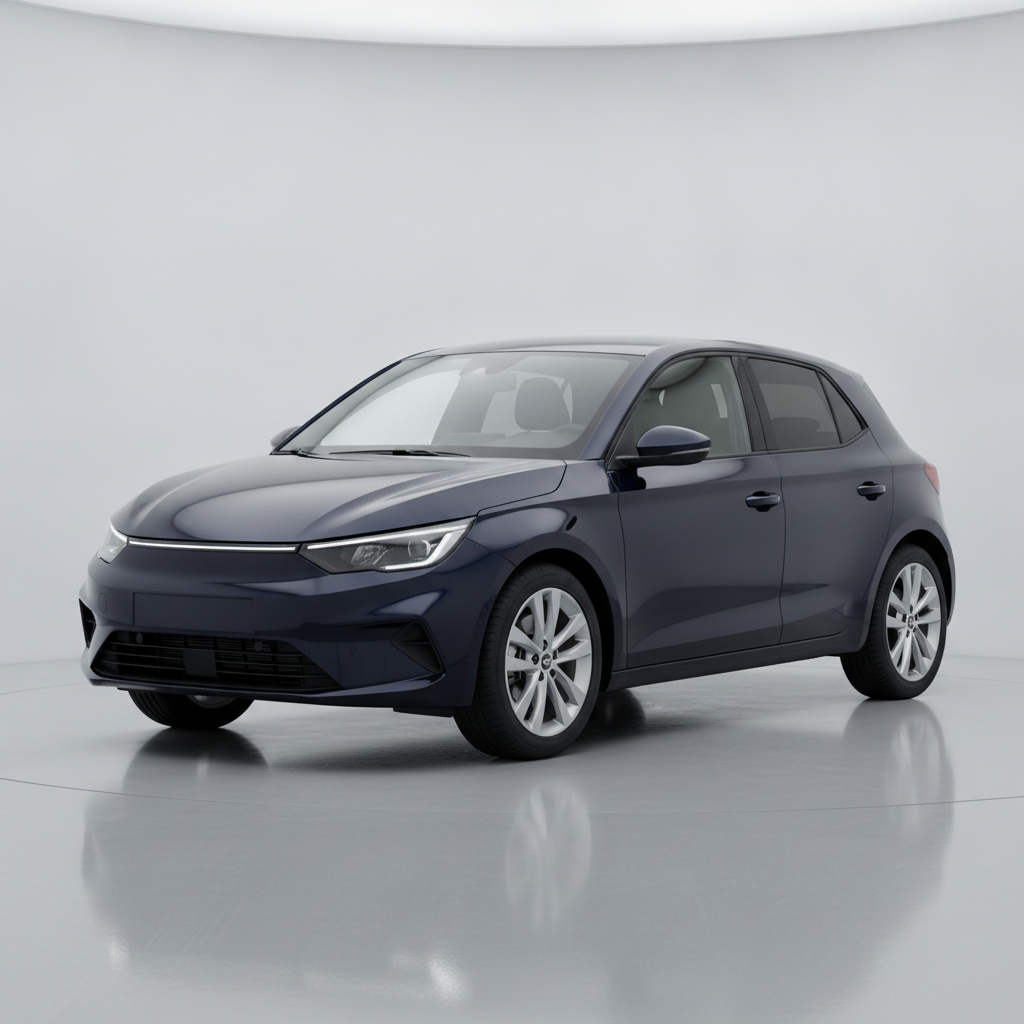
The India-UK trade deal's tariff and quota notification is most consequential for buyers in the ₹40 lakh and above bracket. The government has established a tariff rate quota structure: a defined annual volume of UK-origin vehicles can enter India at a reduced duty rate, while imports beyond that ceiling face standard applicable tariffs. For buyers considering the [Mini Cooper](/mini-cooper) — which starts at approximately ₹44.9 lakh and is assembled at BMW Group's Oxford facility — this matters in a practical way. Quota-eligible units are finite; once that annual allocation is claimed by dealerships, subsequent deliveries revert to the higher standard duty rate and the associated price premium. The implication is that early movers in this segment stand to gain the most from the trade-deal framework, while buyers who wait for further "clarity" may find that the discounted-duty window has already closed for the year. Similarly, the [Volvo XC40](/volvo-xc40), starting at approximately ₹45 lakh and sourced partly through European supply chains, will be watched closely by the brand's Indian team as the TRQ framework's practical effects become visible through the second half of FY27.
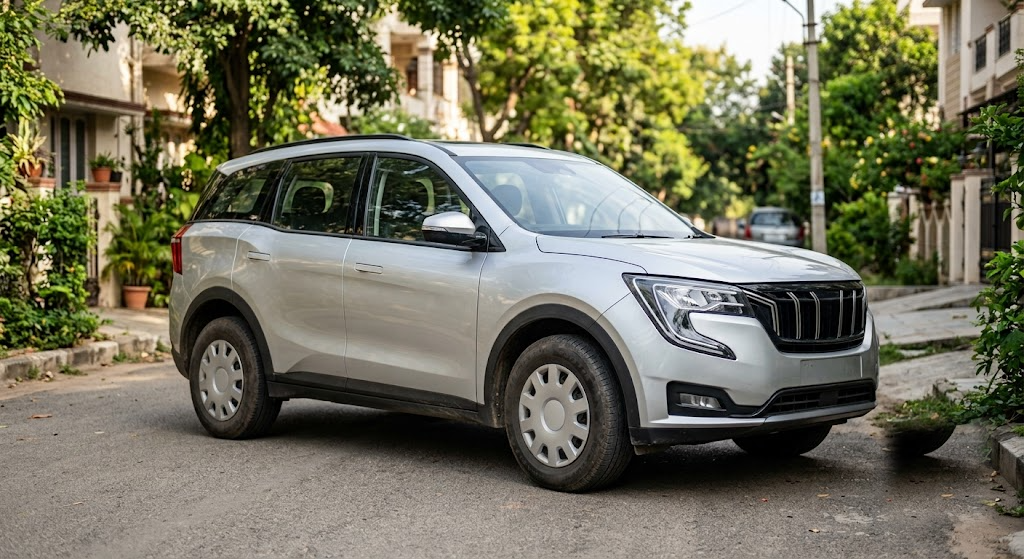
The RBI's decision to hold the repo rate at 5.25% is, for most buyers, the most actionable piece of news. Bank car loan rates track the repo with a spread and have remained stable, meaning a buyer financing ₹10 lakh over five years is looking at EMIs in the ₹19,500–₹21,500 range at prevailing rates — and those numbers are not about to spike in the near term. This rate stability, combined with Mahindra's publicly stated intent to push aggressively on domestic capacity and product launches even amid global uncertainty, creates a genuine sweet spot for buyers in the ₹13–₹25 lakh segment. The [Mahindra XUV700](/mahindra-xuv700), starting at ₹13.99 lakh and returning up to 16.5 kmpl, is engineered and largely produced domestically — meaning its pricing is insulated from import tariff volatility and rupee-dollar swings. The [Hyundai Creta](/hyundai-creta), from ₹11 lakh with up to 17.4 kmpl, and the [Kia Seltos](/kia-seltos), from ₹10.99 lakh with up to 20.7 kmpl on diesel, are similarly manufactured in India and priced on local GST and input costs rather than currency or customs risk.
So what is the practical buyer read for July 2026? If you are in the market for a strong hybrid, act sooner rather than later — prices have already moved up on today's GST notification, and further adjustments cannot be ruled out as India's fiscal authorities continue to calibrate green-vehicle tax policy. The hybrid proposition still holds over four to five years of high-mileage ownership; the Innova Hycross and Honda City hybrid remain sound choices, just at a marginally higher entry cost than last week. If you are chasing a UK-origin premium vehicle, ask your dealer explicitly whether their inbound stock falls within the TRQ allocation and what the price differential is versus out-of-quota inventory — do not assume a trade-deal discount is automatic or unlimited. And if your budget sits between ₹10–₹25 lakh, the current environment strongly favours domestically manufactured SUVs: the lending environment is benign, the product quality from Mahindra, Hyundai, and Kia is globally competitive, and these models carry no import-tariff risk. The RBI's softer 6.6% growth outlook for FY27 may also translate into slightly more dealer flexibility on exchange bonuses and accessories packages — a quiet tailwind for buyers willing to negotiate before the festive season demand picks up.