
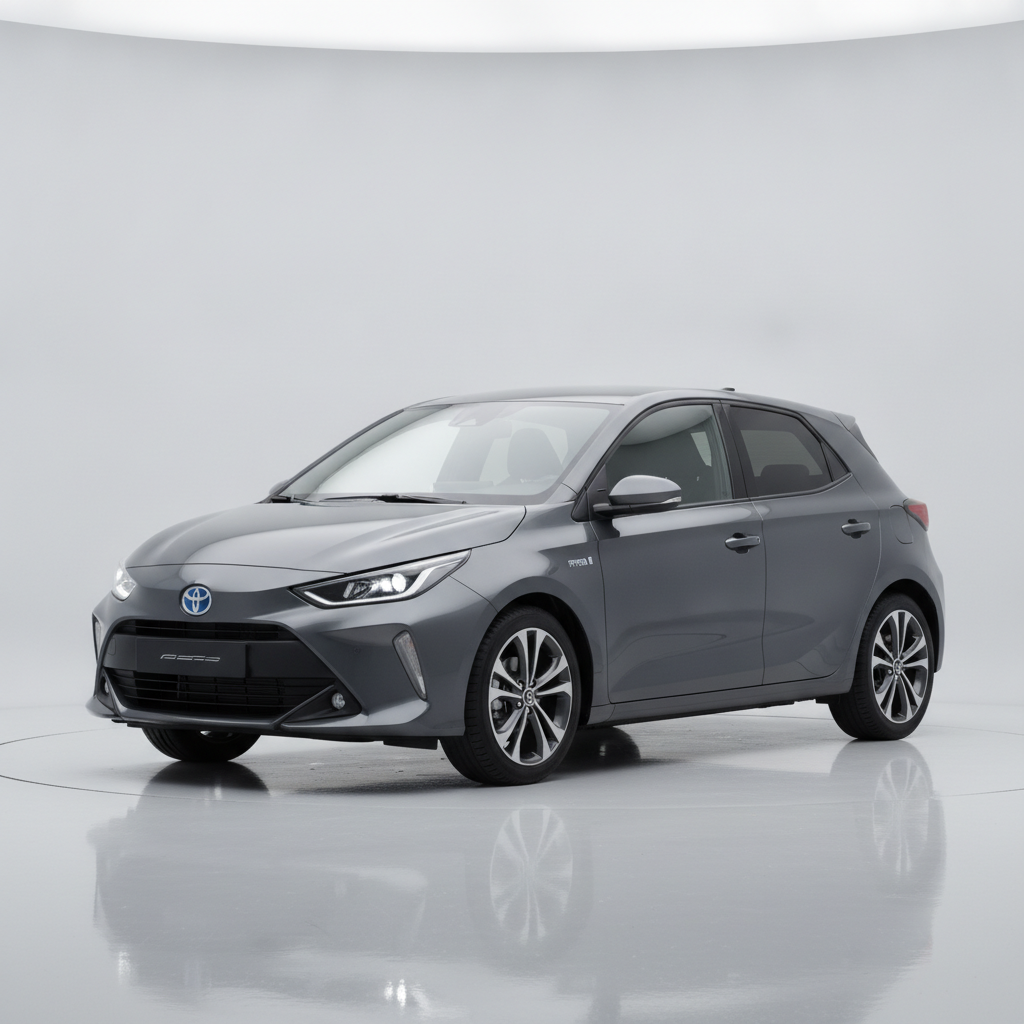
 Illustration1 / 1
These are illustrations, not photographs. Images on this site are generated for CarQuill to show body style and colour. They are not manufacturer photography and will differ from the real vehicle in trim and detail. Check the manufacturer's configurator or a dealer for exact appearance. Why we do this.
Toyota Prius
The hybrid icon, finally fun to drive
Toyota Prius review
Toyota reinvented its most famous hybrid for the fifth generation, trading the old car's frumpy image for genuinely sleek styling. The current Prius pairs a stronger 2.0-liter hybrid system with class-leading efficiency, returning up to 57 mpg combined while delivering noticeably quicker acceleration than any Prius before it. Front- and all-wheel-drive versions are offered, and the cabin gains a modern touchscreen and cleaner dashboard. It remains the benchmark for affordable, fuel-sipping daily transportation.
The fifth-generation Prius is the first one most buyers would call attractive. The low roofline, pulled-back A-pillars and wide stance give it a coupe-like profile that looks nothing like its dowdy predecessors. Underneath, a 2.0-liter four-cylinder hybrid produces a combined 194 horsepower in front-wheel-drive form, cutting the 0-60 mph sprint to around seven seconds. That is a transformative improvement; merging and passing no longer require planning ahead, and the car feels eager rather than merely adequate. Efficiency, the Prius's reason for being, remains exceptional. The base LE front-drive model is rated at up to 57 mpg combined, and even loaded all-wheel-drive trims comfortably clear 49 mpg. In mixed real-world driving, owners routinely see high-40s to mid-50s without trying. The hybrid system is smooth and quiet around town, and the transition between electric and gas power is nearly smooth. The trade-off for that swoopy roof is packaging. Rear headroom is tight for taller passengers, and the low seating position plus thick rear pillars hurt over-the-shoulder visibility. Cargo space behind the rear seats is useful but no longer cavernous. The ride is composed and the steering more direct than before, though enthusiasts should temper expectations; this is a comfortable commuter, not a sport hatch. Inside, Toyota fits a standard 8-inch touchscreen (12.3 inches on higher trims) with wireless Apple CarPlay and Android Auto, plus the expected Toyota Safety Sense suite. Material quality is a step up, but some hard plastics remain and the digital gauge cluster, mounted high near the base of the windshield, can be partly blocked by the steering wheel for some drivers.
Pros & cons
What we like
- Outstanding real-world fuel economy
- Genuinely sharp, modern styling
- Much stronger acceleration than before
- Optional all-wheel drive
- Strong reliability and resale reputation
What could be better
- Tight rear headroom
- Compromised outward visibility
- Gauge cluster awkwardly placed for some
- No fully electric version
Toyota Prius price & variants
| Variant | Fuel / Transmission | Starting MSRP |
|---|---|---|
| LE FWD Best value | HybridAutomatic | $28,350 |
| LE AWD | HybridAutomatic | $29,750 |
| XLE FWD | HybridAutomatic | $31,250 |
| XLE AWD | HybridAutomatic | $32,650 |
| Limited FWD | HybridAutomatic | $34,665 |
| Limited AWD | HybridAutomatic | $36,065 |
Key specifications
Model Overview
Engine & Transmission
Dimensions & Capacity
Fuel & Performance
Comfort & Convenience
Safety
Toyota Prius colours
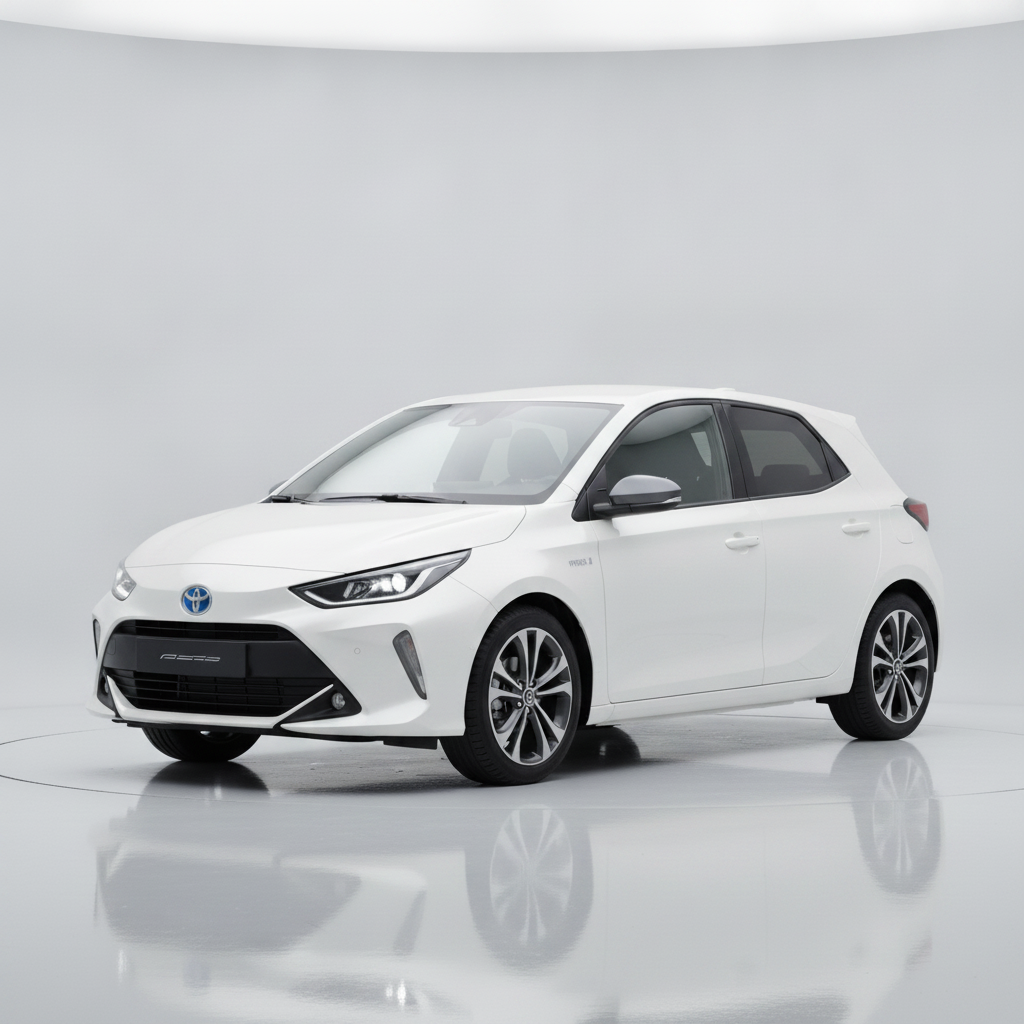 Wind Chill Pearl
Expert rating breakdown
Owner reviews
Sips fuel, looks great
I average 55 mpg on my 40-mile commute without trying, and people are genuinely surprised when I tell them it's a Prius. The styling completely changed my mind about the car. It's quiet, smooth, and cheap to run.
Love it, but watch the back seat
My teenage kids complain about headroom in the rear, and the sloping roof makes loading bulky items a little awkward. Everything else has been fantastic, especially the fuel savings and the peppier acceleration.
Efficient commuter with quirks
The economy is unreal and it has been totally trouble-free so far. My only gripes are that the digital gauges get blocked by the wheel depending on how I sit, and rear visibility takes some getting used to.
Alternatives to the Toyota Prius
Toyota Prius — frequently asked questions
How many miles per gallon does the Prius actually get?
The front-drive LE is EPA-rated up to 57 mpg combined, and most owners see somewhere between the high 40s and mid 50s in real-world driving. All-wheel-drive versions are slightly lower but still exceptional.
Does the Prius need to be plugged in?
No. The standard Prius is a self-charging hybrid that recharges its battery through the engine and regenerative braking. If you want plug-in capability and electric-only range, that is the separate Prius Prime.
Is all-wheel drive available?
Yes. Toyota offers AWD across the lineup, adding a small rear electric motor for extra traction in rain and light snow. It costs about $1,400 more than the equivalent front-drive trim.
How much can you fit in the cargo area?
There is roughly 20 cubic feet behind the rear seats, expanding when you fold them down. It handles groceries and weekend luggage well, though the sloping roofline limits very tall items.
Is the Prius reliable?
Toyota's hybrid system has a long track record for durability, and the Prius consistently ranks near the top for dependability. The hybrid battery is covered for up to 10 years or 150,000 miles.
How does it compare to the Corolla Hybrid?
The Corolla Hybrid is cheaper and more practical with better visibility, while the Prius offers bolder styling, more power, and slightly higher peak efficiency. Choose the Prius if design and economy top your list.
Specifications and prices are indicative and may vary by variant and city, so please confirm with an authorized dealer before buying. Last updated 2026-06-25.