
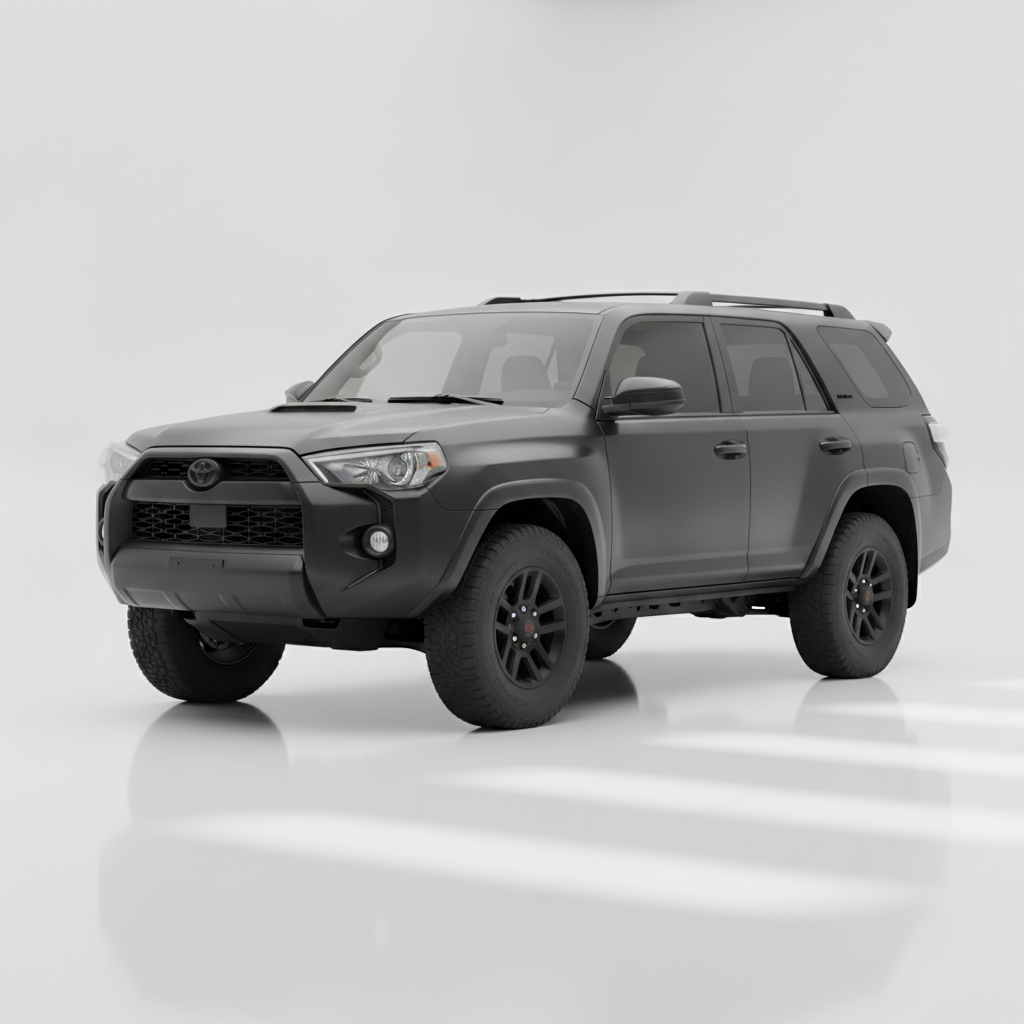
 Illustration1 / 1
These are illustrations, not photographs. Images on this site are generated for CarQuill to show body style and colour. They are not manufacturer photography and will differ from the real vehicle in trim and detail. Check the manufacturer's configurator or a dealer for exact appearance. Why we do this.
Toyota 4Runner
Rugged body-on-frame icon, finally modernized
Toyota 4Runner review
The sixth-generation Toyota 4Runner ditches the old V6 for a turbo four and an available hybrid, but keeps the rugged body-on-frame bones that made it a trail-day favorite. It rides on the same TNGA-F platform as the Tacoma and Land Cruiser, so it finally gets modern tech and a quieter cabin without trading away genuine off-road hardware. Buyers choosing between mall-friendly comfort and serious dirt capability now have one truck that leans both ways.
On paper, the new 4Runner looks like a clean-sheet redesign, and in many ways it is. The turbocharged 2.4-liter four makes 278 horsepower and a stout 317 lb-ft of torque, comfortably more grunt than the old 4.0-liter V6 and available far lower in the rev range. The optional i-FORCE MAX hybrid bumps output to 326 horsepower and adds a usable low-end shove that suits crawling and towing. The eight-speed automatic is smooth, though the four-cylinder's coarse note under hard acceleration reminds you this is a workhorse, not a luxury cruiser. Off-road is where the 4Runner still earns its badge. TRD Off-Road and the range-topping TRDPro and Trailhunter trims add locking rear differentials, disconnecting sway bars, crawl control, and serious approach angles. Even on lesser trims, the body-on-frame chassis and available full-time 4WD shrug off rough trails that would unsettle a unibody crossover. The trade-off is the on-road experience: steering is light and vague, the ride is firm over broken pavement, and wind noise climbs on the highway. Inside, the cabin is a major leap over the outgoing model, which had soldiered on for over a decade. A standard 8-inch touchscreen (14-inch on upper trims) runs Toyota's current software with wireless Apple CarPlay and Android Auto, and material quality is markedly improved. Space up front is generous, the rear bench is adequate for adults, and the available power-folding third row returns on certain trims, though it remains tight and best reserved for kids. Cargo room behind the second row is excellent, and the roll-down rear window survives as a beloved quirk. Value is the sticking point. Base SR5 pricing is reasonable, but the trims most buyers actually want, especially the hybrid off-road models, climb quickly toward and past sixty grand. Fuel economy is improved but unremarkable for a 2025 vehicle, and rivals from Ford and Jeep offer comparable capability. Still, Toyota's reputation for longevity and strong resale keeps the 4Runner near the top of the segment.
Pros & cons
What we like
- Genuine body-on-frame off-road capability
- Stronger, more flexible turbo and hybrid powertrains
- Vastly improved interior and tech
- Excellent resale value and reliability reputation
- Spacious, practical cargo area
What could be better
- Popular trims get expensive quickly
- Firm, trucky on-road ride
- Only average fuel economy
- Coarse four-cylinder engine note
Toyota 4Runner price & variants
| Variant | Fuel / Transmission | Starting MSRP |
|---|---|---|
| SR5 Best value | GasAutomatic | $42,000 |
| TRD Sport | GasAutomatic | $47,000 |
| TRD Off-Road Premium | GasAutomatic | $52,000 |
| Limited | HybridAutomatic | $58,000 |
| TRD Pro | HybridAutomatic | $67,000 |
Key specifications
Model Overview
Engine & Transmission
Dimensions & Capacity
Fuel & Performance
Comfort & Convenience
Safety
Toyota 4Runner colours
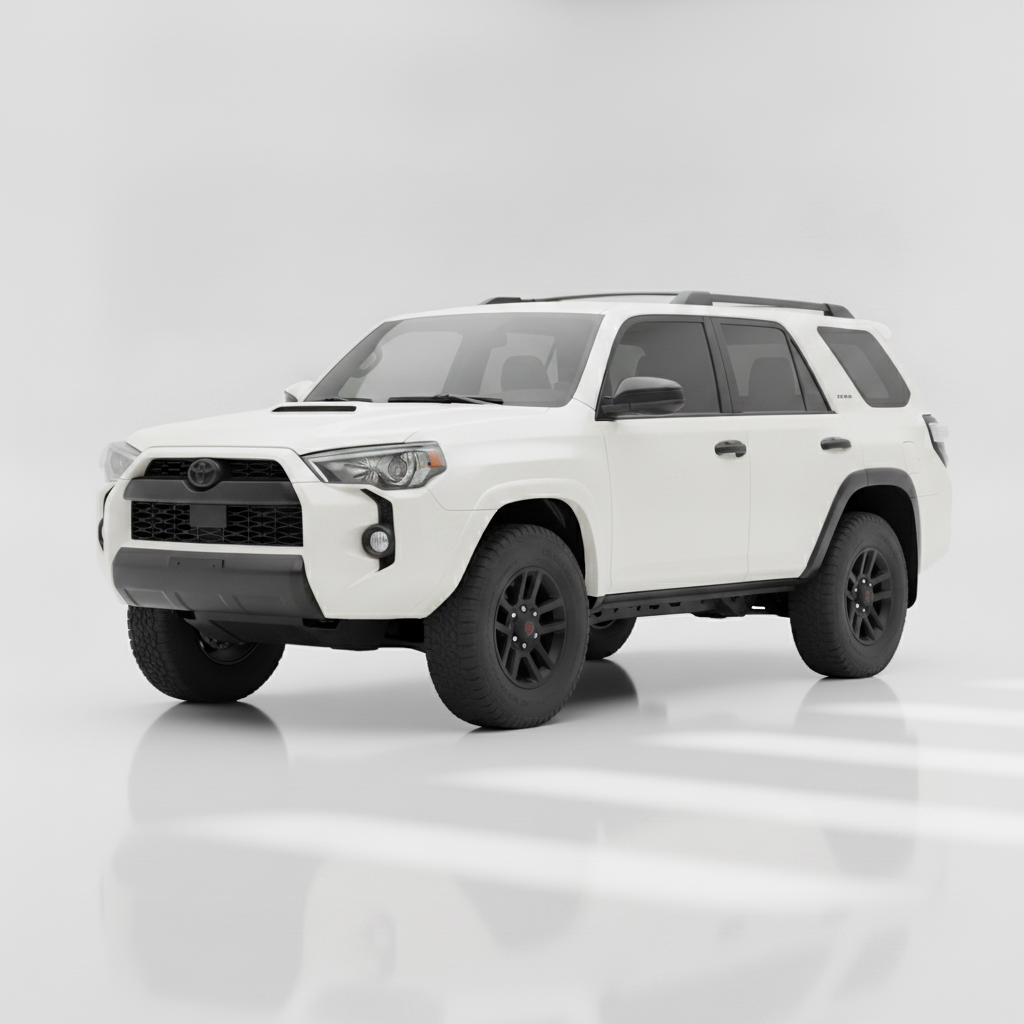 Ice Cap White
Expert rating breakdown
Owner reviews
Trail-ready and built to last
I traded my old V6 4Runner for the new TRD Off-Road and the turbo torque is a huge step up on the climbs near my cabin. The interior feels worlds nicer and the tech finally works. I just wish it sipped a little less gas on the highway.
Great SUV, sticker shock is real
It does everything I need for family trips and weekend camping, and the cargo space is fantastic. The ride is firmer than my old crossover and the price crept past what I planned once I added the packages I wanted. Still feels like it'll run forever.
The hybrid is worth it for towing
I pull a small trailer and the i-FORCE MAX has plenty of low-end grunt for it. Mileage isn't amazing but it's better than my last truck. The engine sounds a bit gruff when you push it, which is my only real gripe.
Alternatives to the Toyota 4Runner
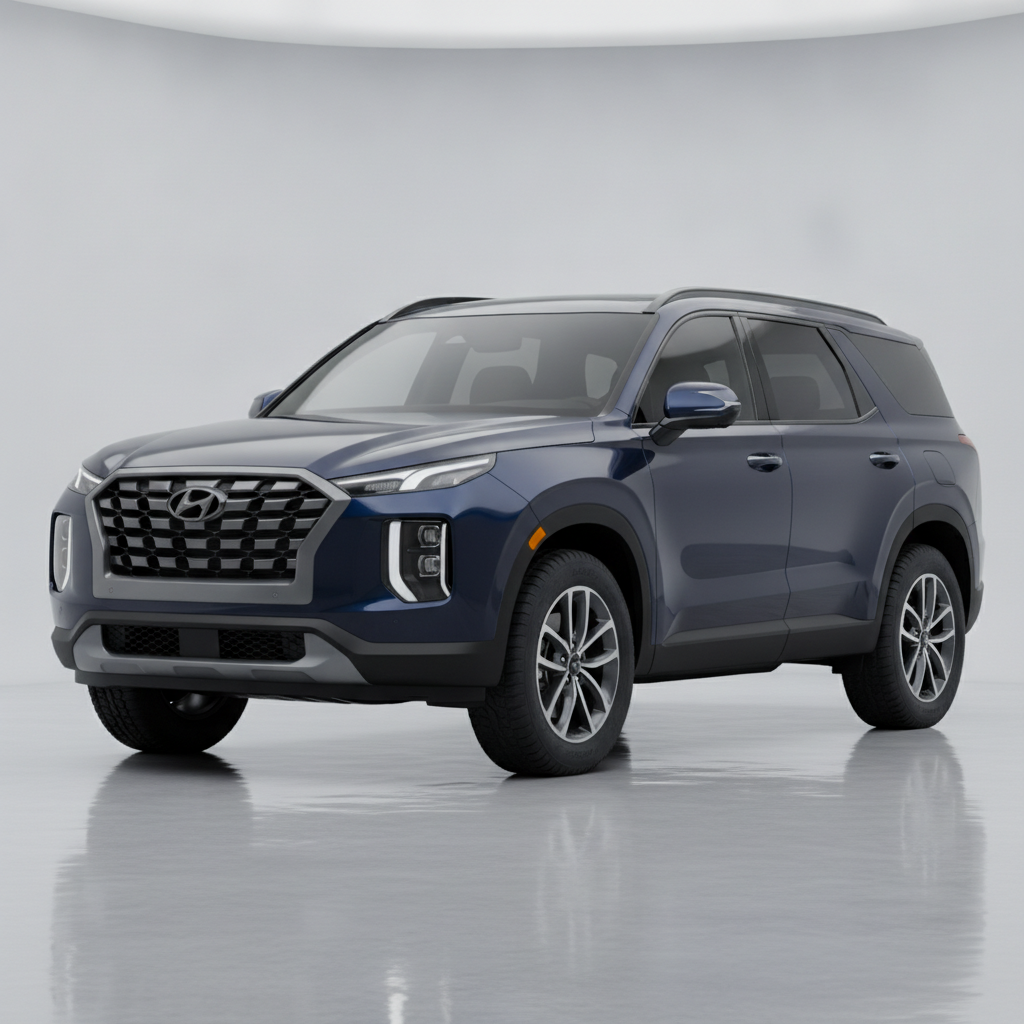
Hyundai Palisade
4.4$37,000 – $54,000Starting MSRP
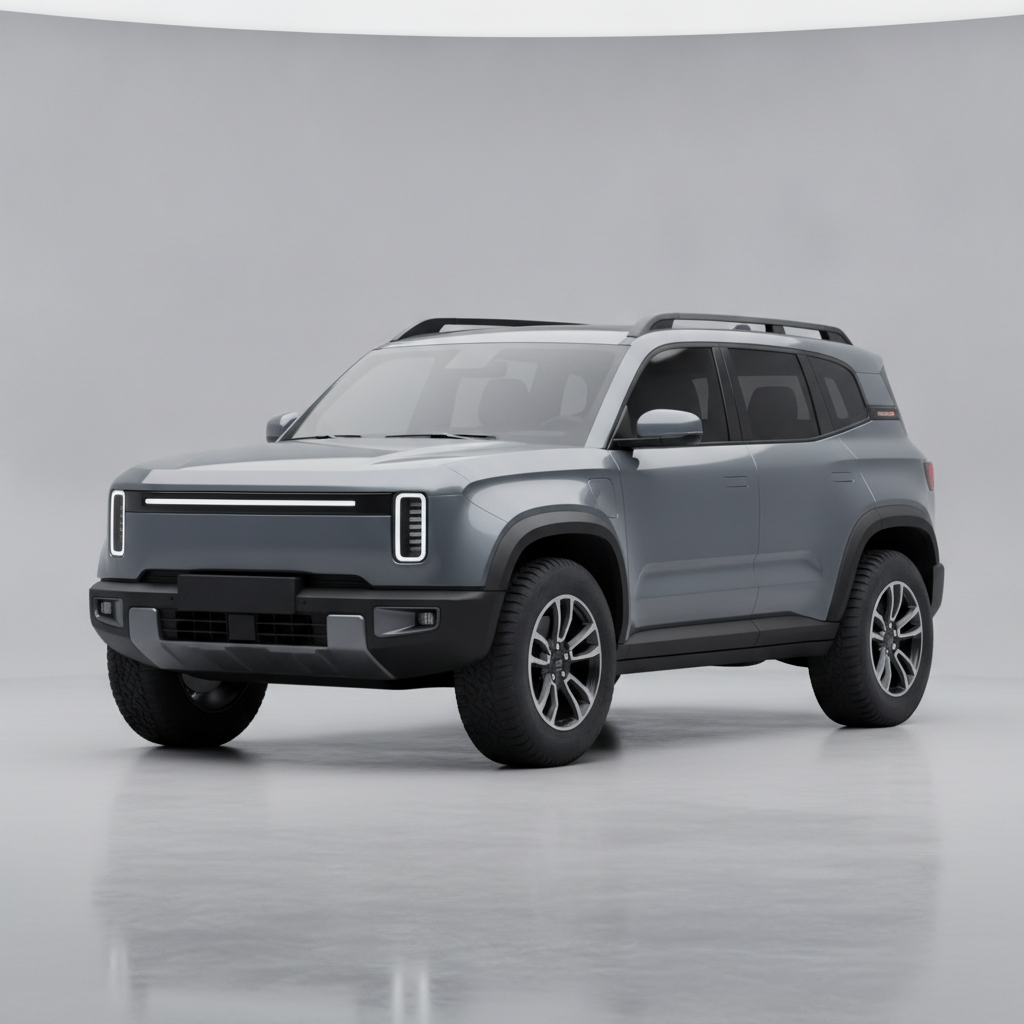
Rivian R2
4.3$45,000 – $68,000Starting MSRP
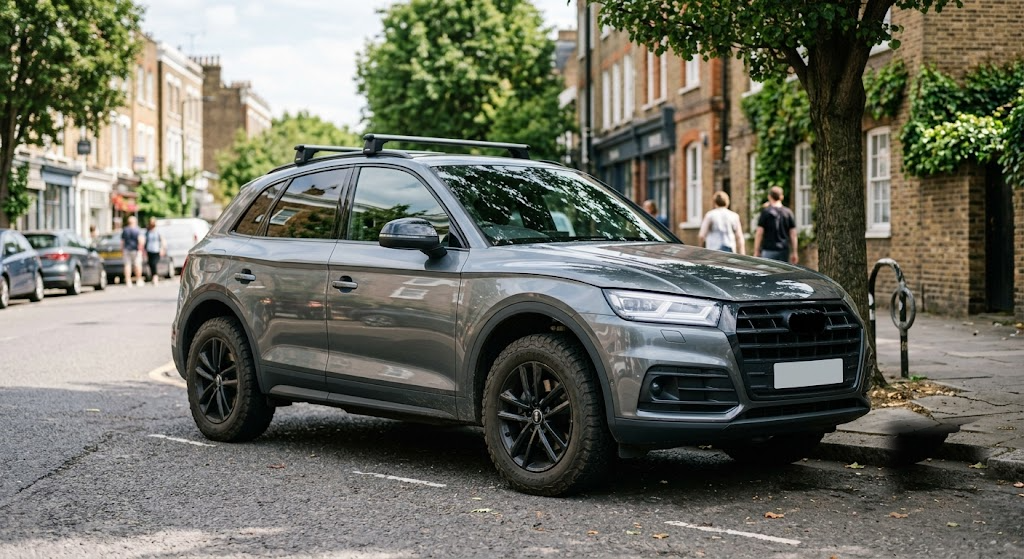
Audi Q5
4.2$45,000 – $58,000Starting MSRP
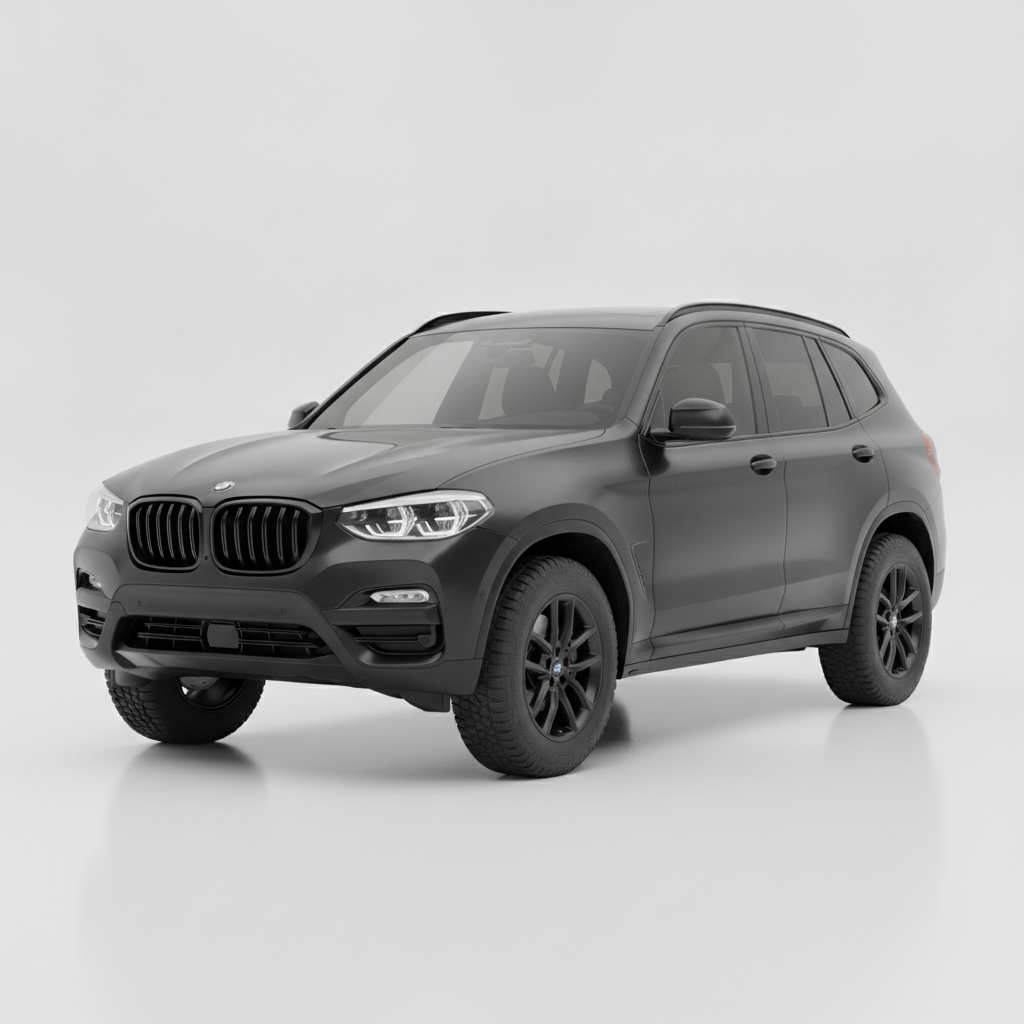
BMW X3
4.4$50,000 – $65,000Starting MSRP
Toyota 4Runner — frequently asked questions
Is the 2025 4Runner available as a hybrid?
Yes. Toyota offers the i-FORCE MAX hybrid powertrain on several trims, producing 326 horsepower and adding stronger low-end torque that helps with towing and off-road crawling. Lower trims use the non-hybrid turbocharged 2.4-liter four.
How much can the 4Runner tow?
Properly equipped, the 4Runner is rated to tow up to about 6,000 pounds. The hybrid's added low-end torque makes it the easier choice for buyers who tow regularly.
Does it still come with a third row?
A third-row seat is optional on certain trims, but it remains tight and is best suited for children or occasional use. Most trims are configured as five-seaters with generous cargo space.
Is the 4Runner good off-road?
Very. It uses a body-on-frame chassis, and trims like TRD Off-Road, TRD Pro, and Trailhunter add locking rear differentials, disconnecting sway bars, and crawl control for serious trail work.
What kind of fuel economy should I expect?
Expect roughly 23 MPG combined depending on drivetrain and trim. The hybrid offers similar efficiency with more power rather than dramatically better mileage.
Does it have Apple CarPlay and Android Auto?
Yes. Wireless Apple CarPlay and Android Auto are standard, running on an 8-inch touchscreen on lower trims and a larger 14-inch display on upper trims.
Specifications and prices are indicative and may vary by variant and city, so please confirm with an authorized dealer before buying. Last updated 2026-06-25.